OPTICAL WEAPONS (DAZZLERS / GLARE LASERS)
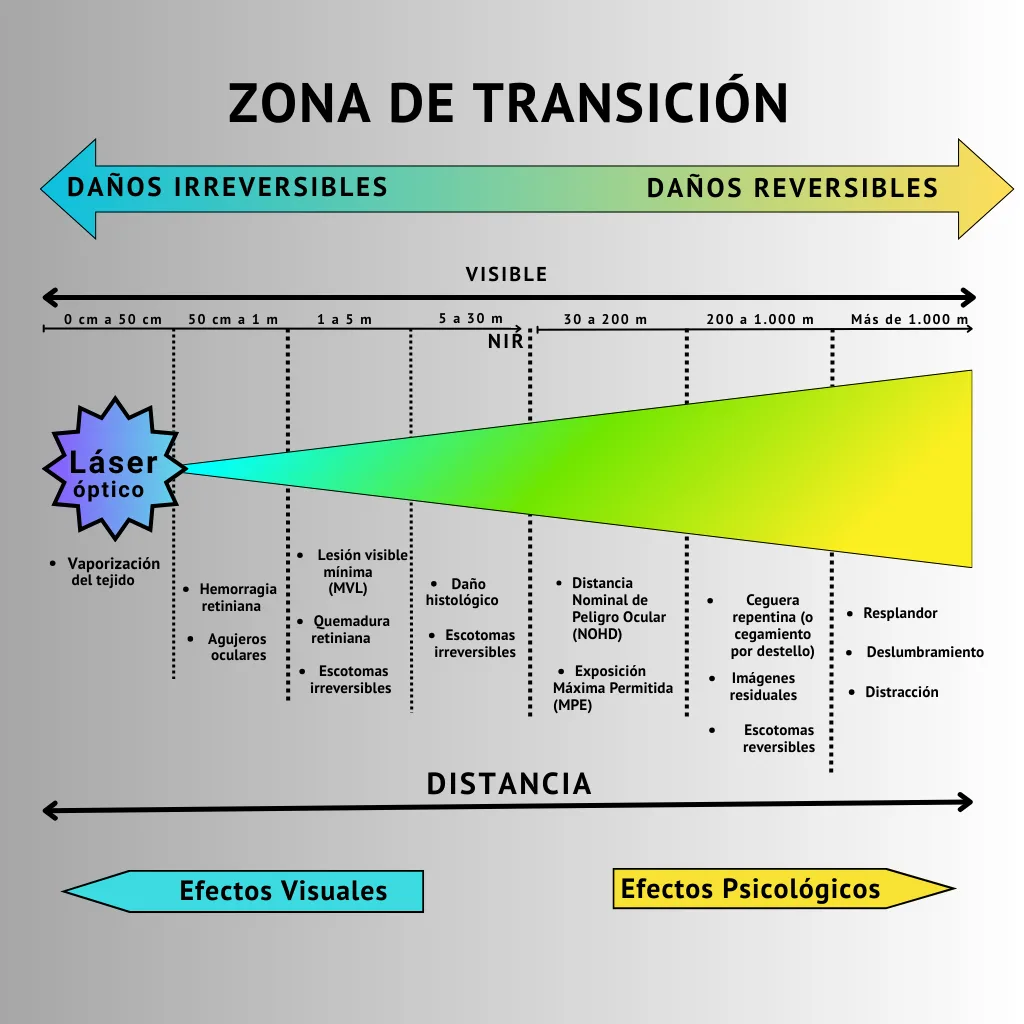
Optical weapons operate by projecting highly concentrated light beams that immediately saturate the visual receptors of the retina, causing temporary loss of focus, distortion of the visual field and spatial disorientation. Their operation is based on high-power lasers or LEDs within specific wavelength ranges mainly visible green or infrared modulated to reach point targets with millimeter precision.
These devices employ adjustable optics, aperture variation, pulsed or strobe modes and electronic systems that regulate power according to distance and environment.
This combination turns light into a tactical mechanism capable of instantly disrupting visual capacity without the need for physical contact.
Exploring this category makes it possible to understand how directed luminous energy, optical density and beam modulation define the real behavior of optical weapons within the modern arsenal of visual control and suppression.
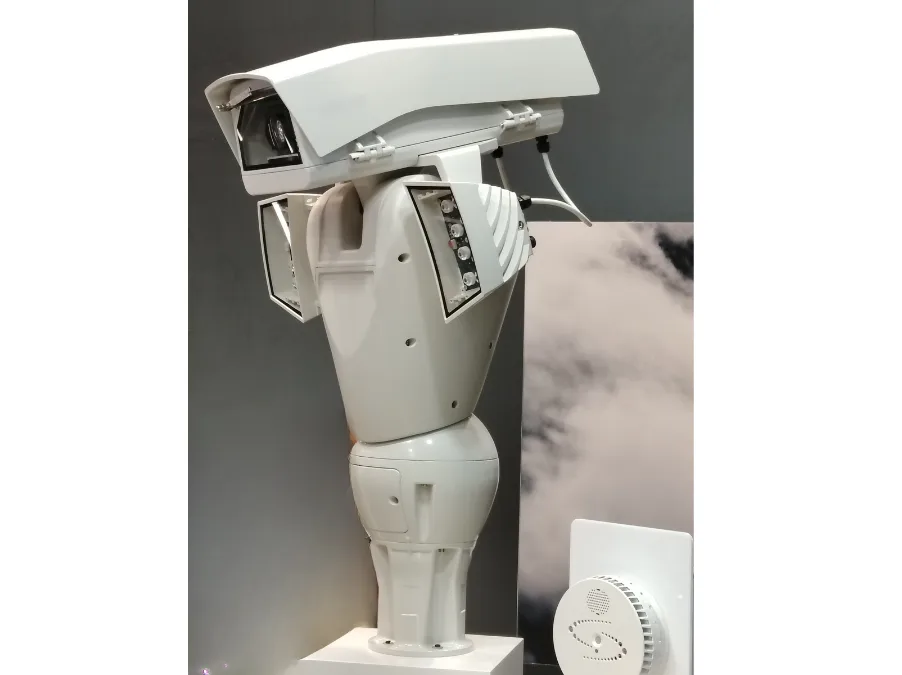
| Category | Technical specification |
|---|---|
| Operating system | Emission of non-ionizing laser beams designed to dazzle, degrade vision and induce temporary blindness through controlled optical saturation. |
| Laser type | Continuous-wave or pulsed laser of institutional (Eye-Safe) class, used for momentary visual incapacitation without permanent damage. |
| Wavelength | Between 520 nm and 550 nm (visible green, maximum ocular sensitivity). Possible extended range: 450–650 nm depending on manufacturer. |
| Optical power |
Handheld systems: 0.5 to 10 mW (Eye-Safe) Mounted or tactical systems: up to 100 mW with controlled divergence. |
| Beam divergence | Between 3 and 10 mrad to widen the laser spot and reduce direct ocular risk. |
| Effective range | Between 20 and 300 meters depending on power, divergence and environmental conditions. |
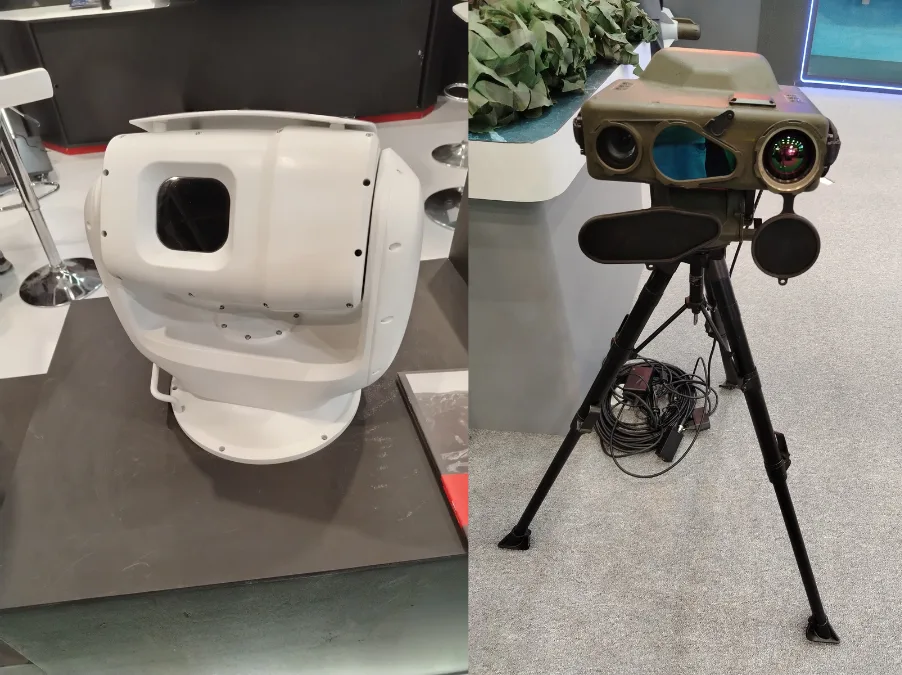
Design, Use and Omission So-called optical weapons among them blinding lasers, high-power visual disruption systems and temporary optical interference devices represent an emerging category within the arsenal of less-lethal technologies. Unlike strobe light weapons, which work through pulses of intermittent light, optical weapons employ concentrated, directional beams of luminous energy (generally lasers) with the aim of interfering with the target’s vision, causing momentary blindness or even irreversible ocular damage. Their silent character, lack of physical contact, and apparent sophistication make them ideal instruments for exerting control and deterrence without the use of force becoming evident to public opinion. However, that same invisibility turns their use into a serious risk to human rights. From a design standpoint, optical weapons usually employ high-intensity green or blue lasers with wavelengths between 450 and 532 nm, projected through handheld systems, or mounted on helmets, long guns or drones.
Many of these devices, such as the well-known PHASR (Personnel Halting and Stimulation Response), the ZKZM-500 or the handheld lasers used by police in China, have been designed to momentarily incapacitate without producing physical wounds. Nonetheless, various medical studies and warnings from international bodies point out that exposure to these concentrated beams can cause retinal burns, loss of central vision, foveal damage, ocular hemorrhages and permanent blindness, especially when aimed directly at the eyes, at close range or for more than one or two continuous seconds. The supposed precision of these devices does not eliminate human margin of error, the lack of technical training, or the real conditions of the operation. The problem worsens with operational use, which in many cases has been characterized by abusive or experimental practices. In countries such as China, India, Turkey and even the United States, cases have been reported of optical weapons being used against demonstrators, prisoners and detainees. Incidents have also been documented in which these devices were used to block cameras, intimidate journalists, neutralize human rights defenders or as a tool of visual torture in prison settings. In conflict zones such as Kashmir, medical reports have recorded irreversible retinal injuries caused by lasers used by military forces.
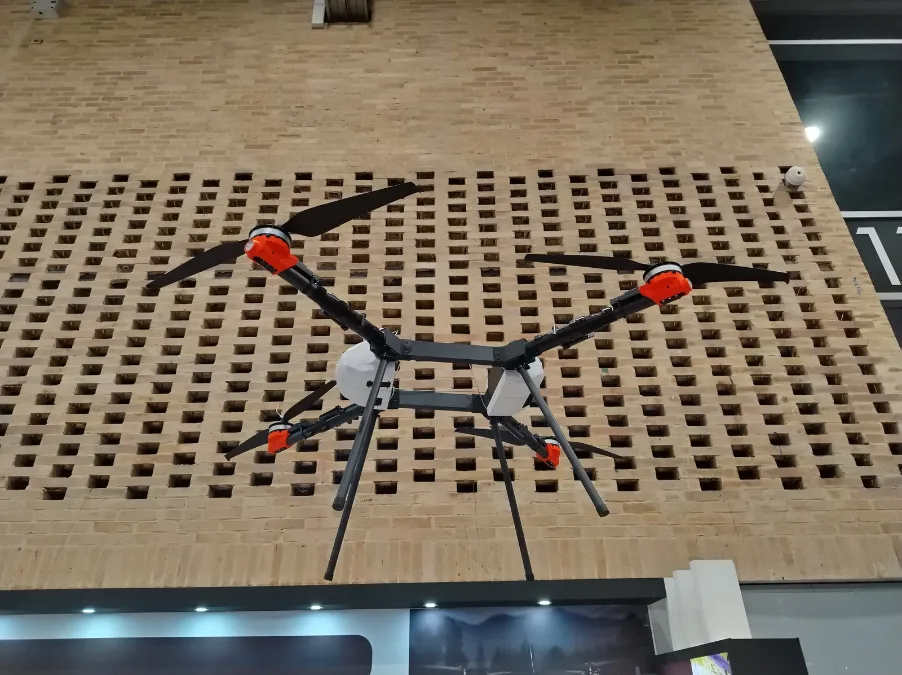
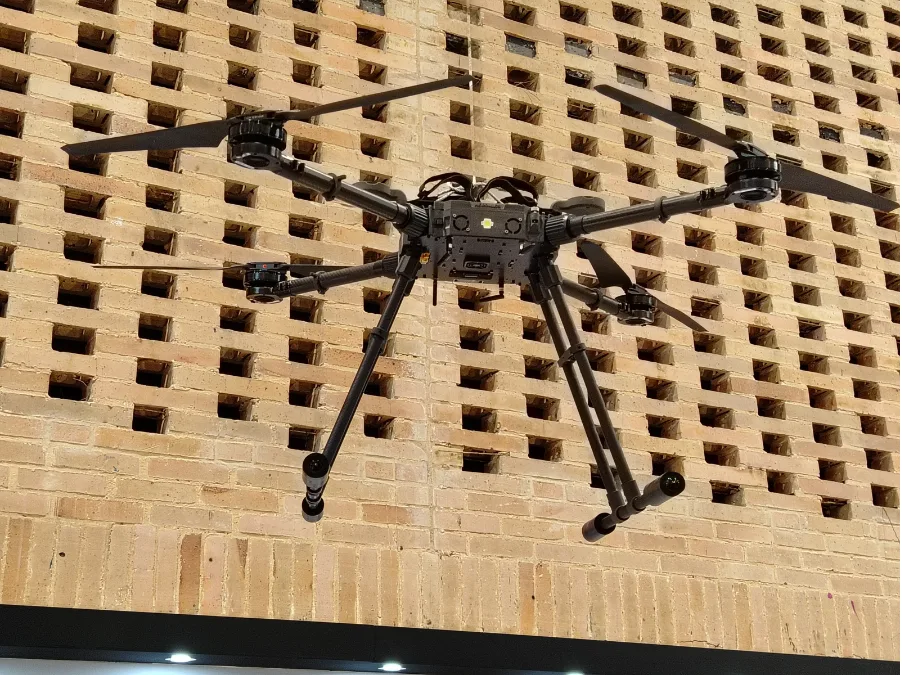
In other scenarios, optical weapons have been combined with drones to identify, pursue and visually neutralize demonstrators, thereby extending the reach of visual repression without the need for direct physical contact. Institutional omission regarding optical weapons is critical. Despite the warnings of Protocol IV of the UN Convention on Certain Conventional Weapons (which prohibits the use of blinding lasers with permanent effects in armed conflicts), many countries have ignored these provisions in internal control settings, arguing that they are non-lethal or low-intensity tools. However, there are no standardized limits on ocular exposure, minimum safety distances, maximum pulse duration, or mandatory medical follow-up after exposure. Nor is it required that the devices be calibrated or externally audited, which allows their use without oversight and without legal consequences, even when they cause permanent damage. This deliberate omission constitutes a form of violence through institutional negligence, in which the use of the technology exceeds the State’s capacity to protect its citizens.
In this context, the concept of false less-lethality is central. Optical weapons do not kill, but they can leave people blind, permanently alter their sensory perception and cause neurological trauma without a single drop of blood being shed. The invisibility of the laser beam, the absence of noise or physical impact, and the lack of monitoring protocols allow these devices to be used as covert tools of visual punishment, without generating public alarm or political accountability. Optical violence thus fits within a broader logic of sensory control, in which the body is not destroyed but is nullified as a political subject, unable to see, document, resist or denounce. In conclusion, optical weapons represent one of the most sophisticated and dangerous forms of covert institutional violence. Their regulation can no longer be postponed. The defense of human rights in contexts of protest, detention or conflict demands an explicit prohibition of the use of high-power blinding lasers, the independent oversight of optical devices used by police and military, immediate medical care for victims of exposure, and the inclusion of these technologies in accountability systems. Because to prevent someone from seeing is also to prevent them from thinking, speaking, defending and fighting. And that is exactly what these weapons seek: to neutralize without anyone seeing it.