Kinetic energy projectile launchers
KINETIC ENERGY PROJECTILE LAUNCHERS
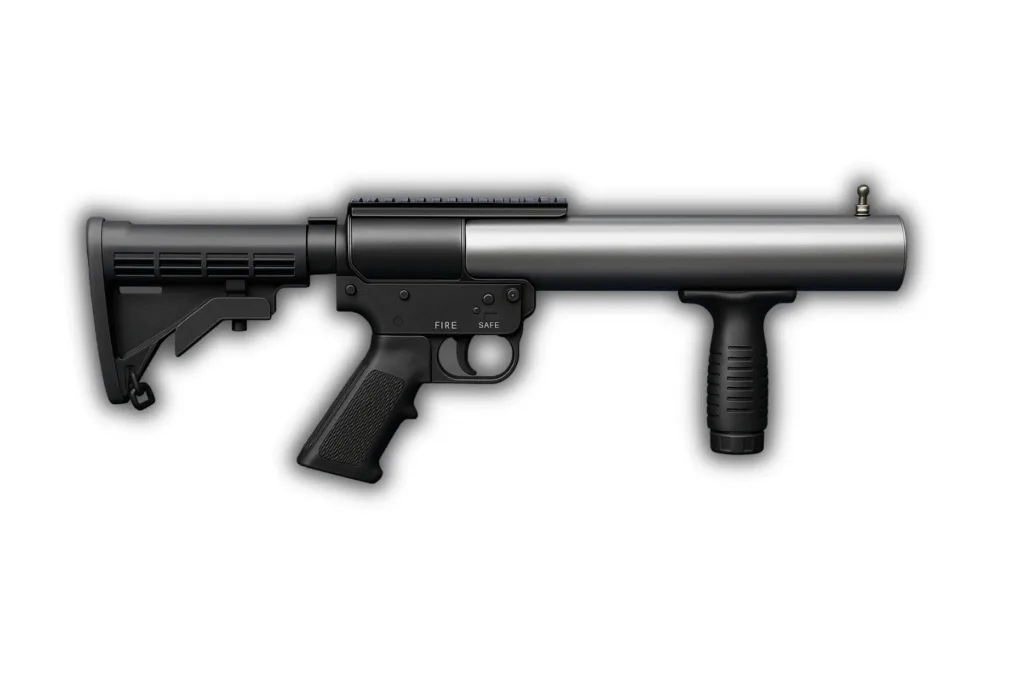
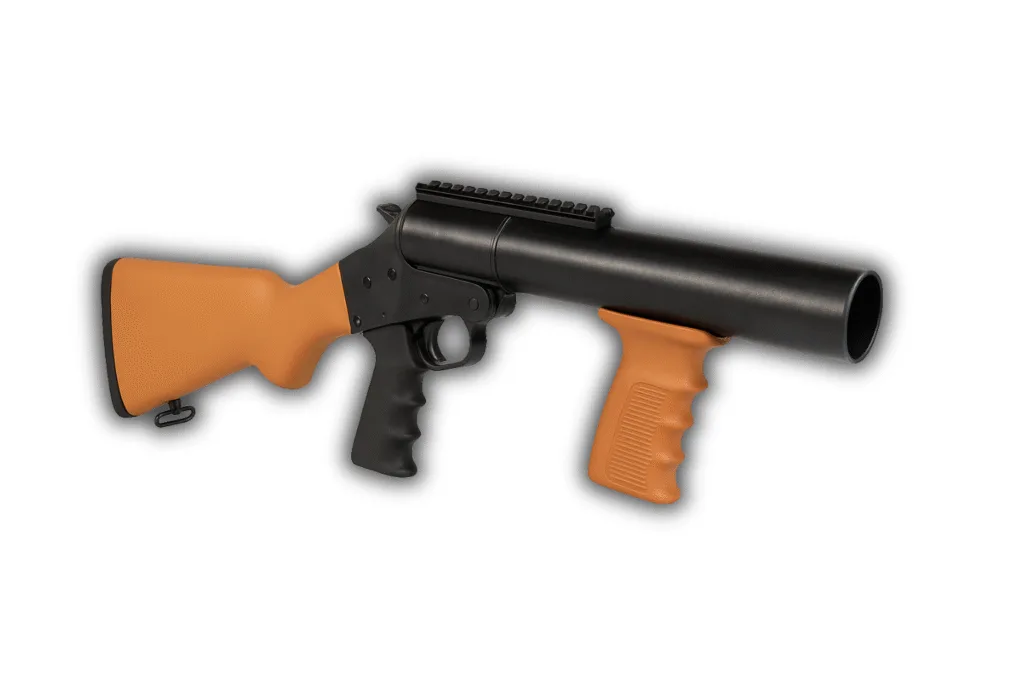
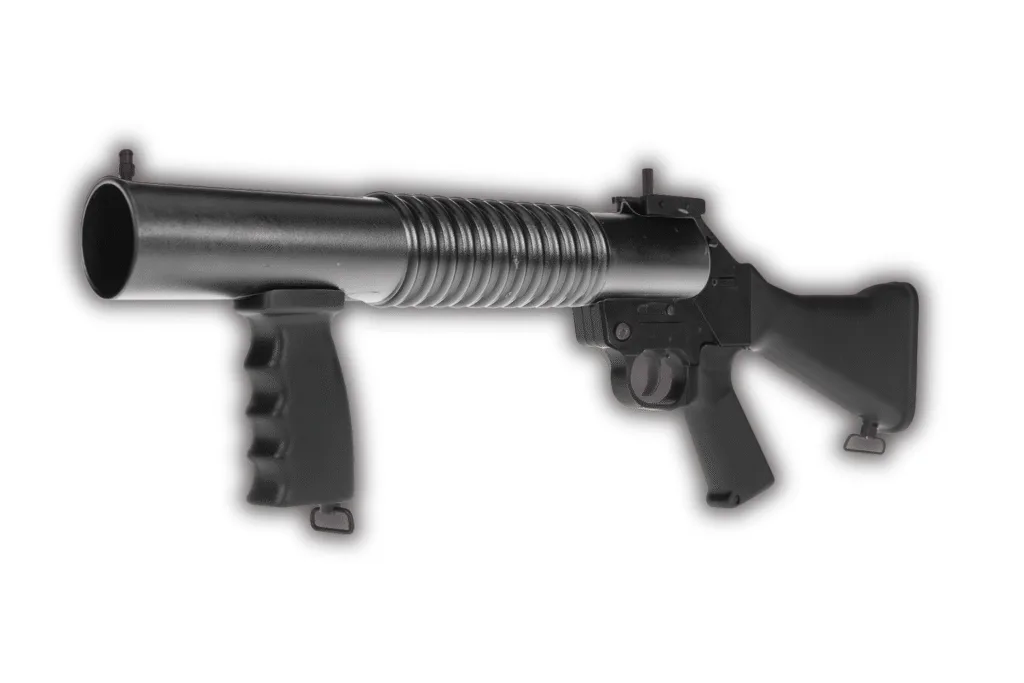
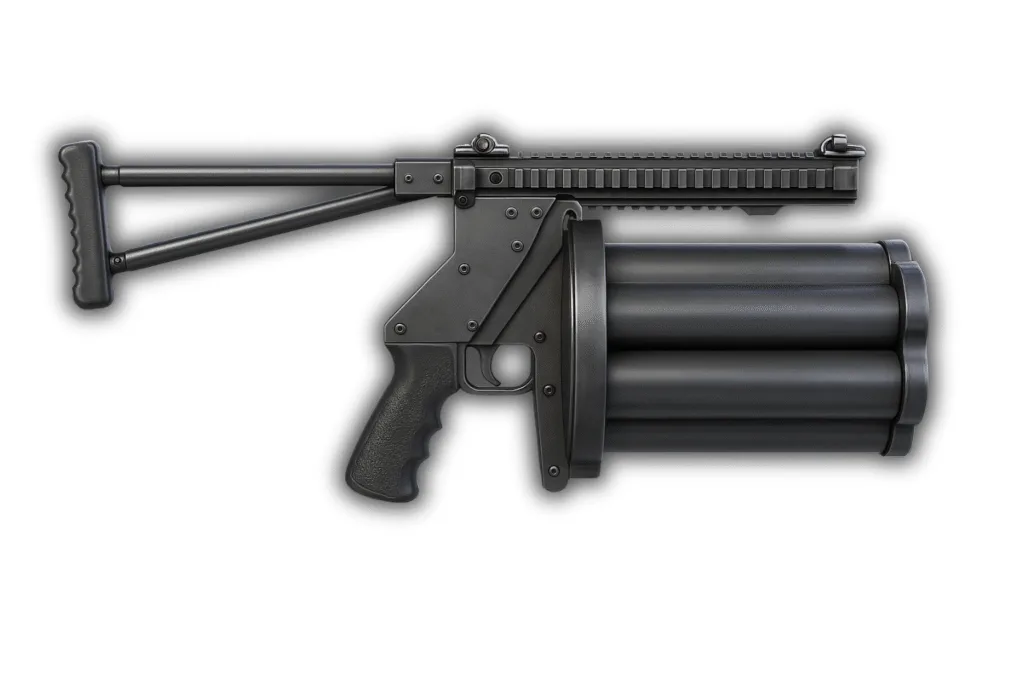
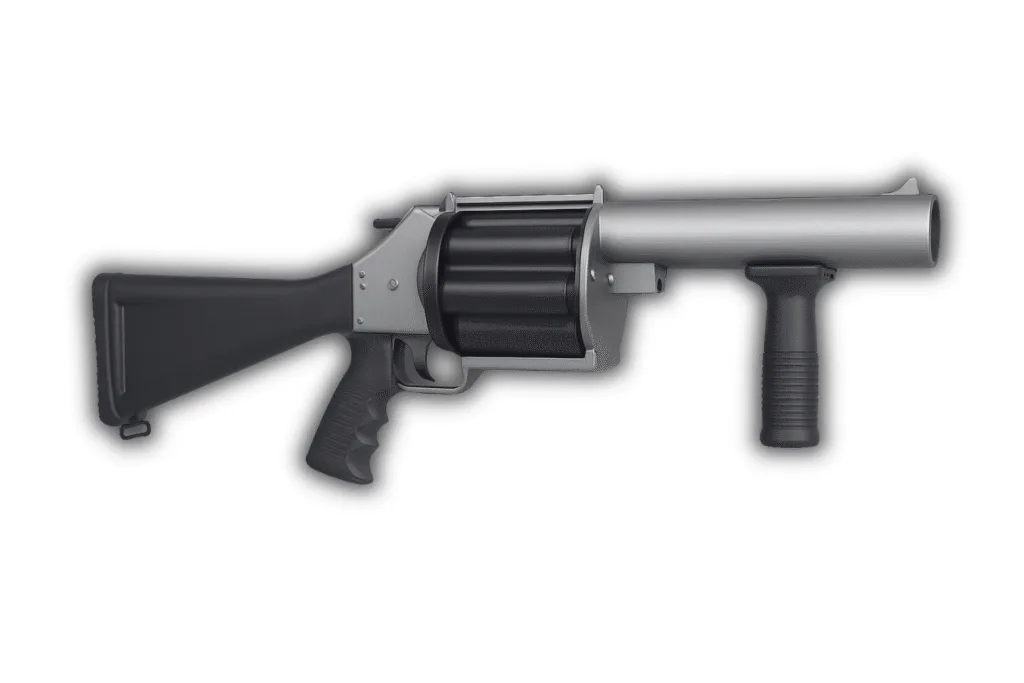
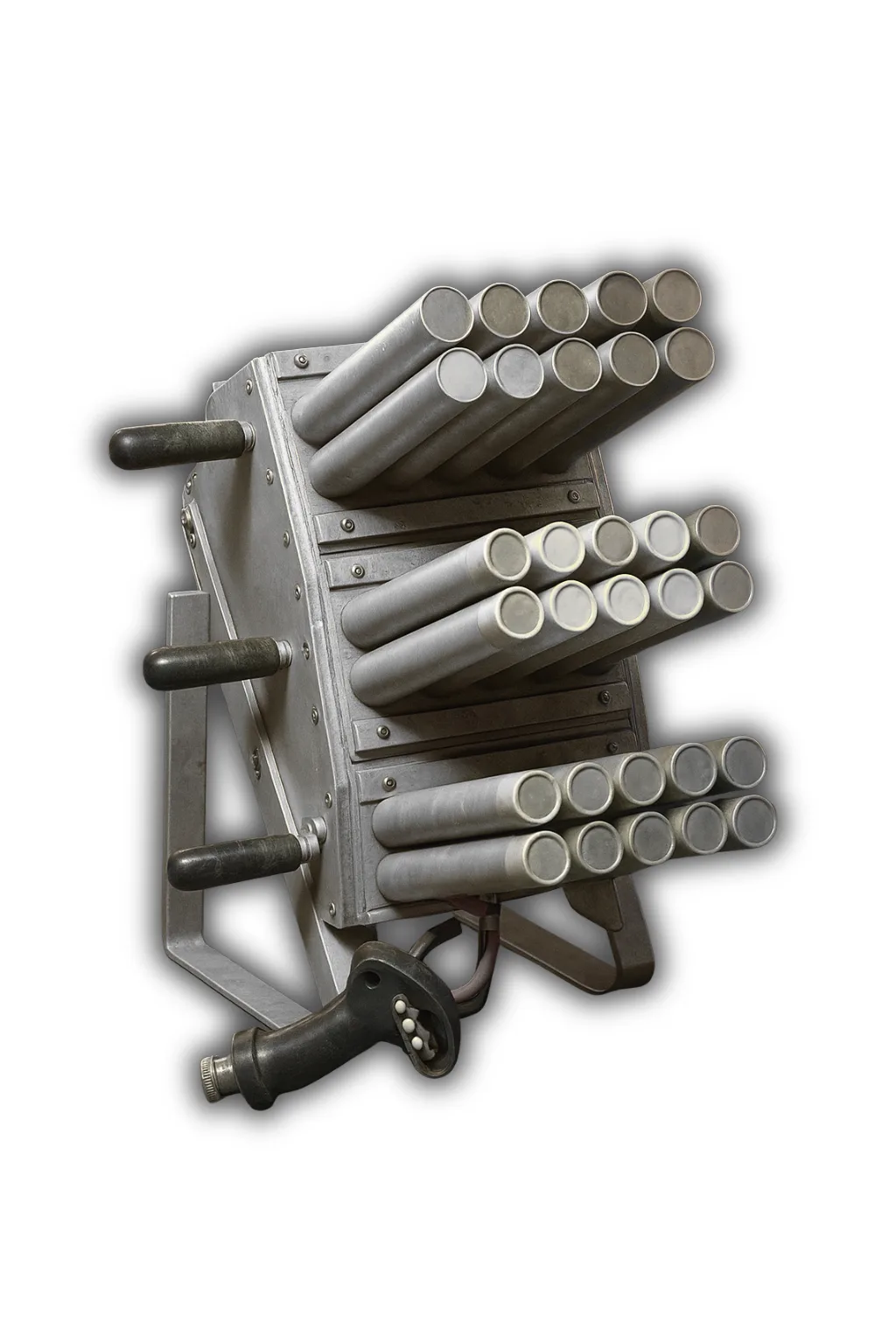
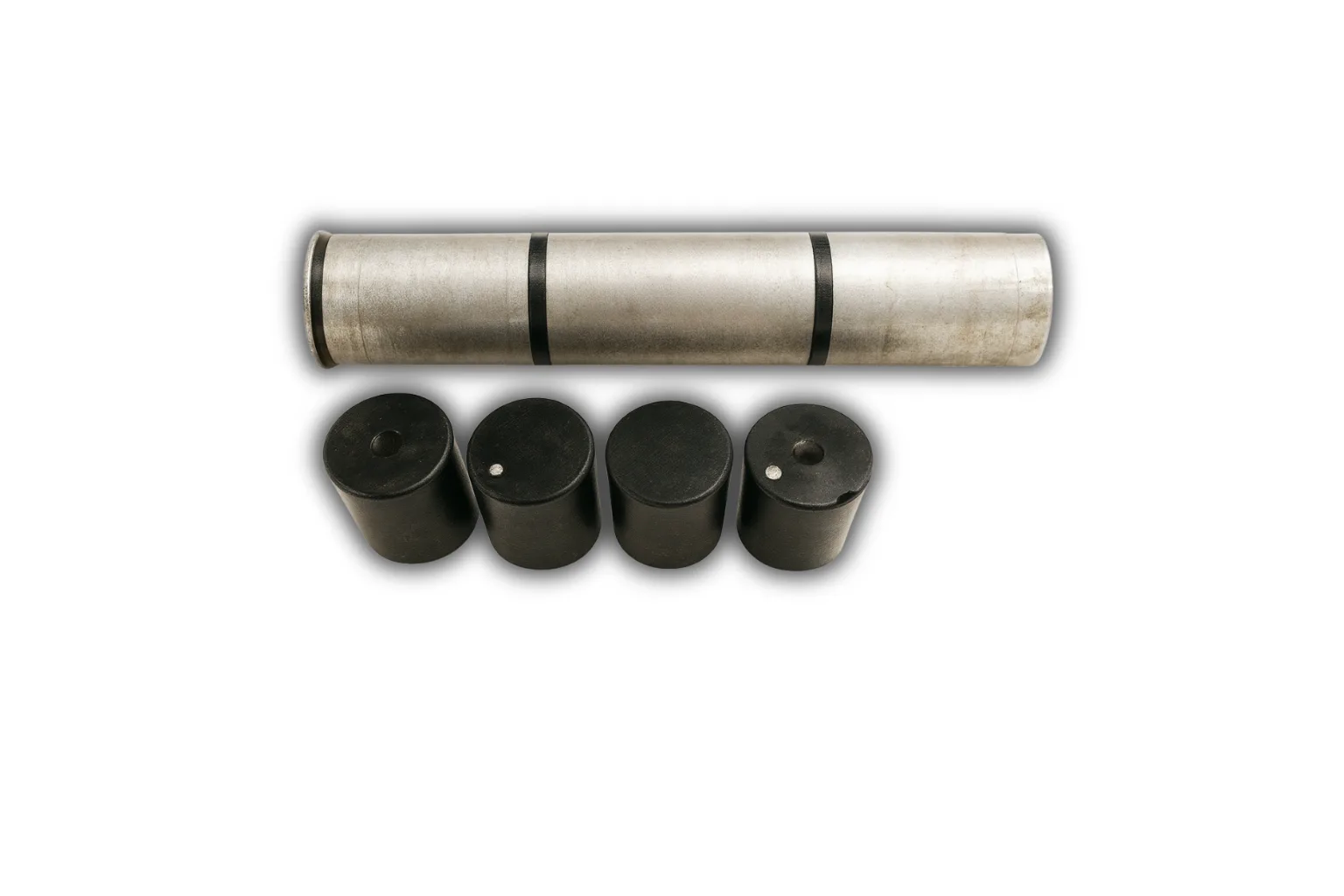
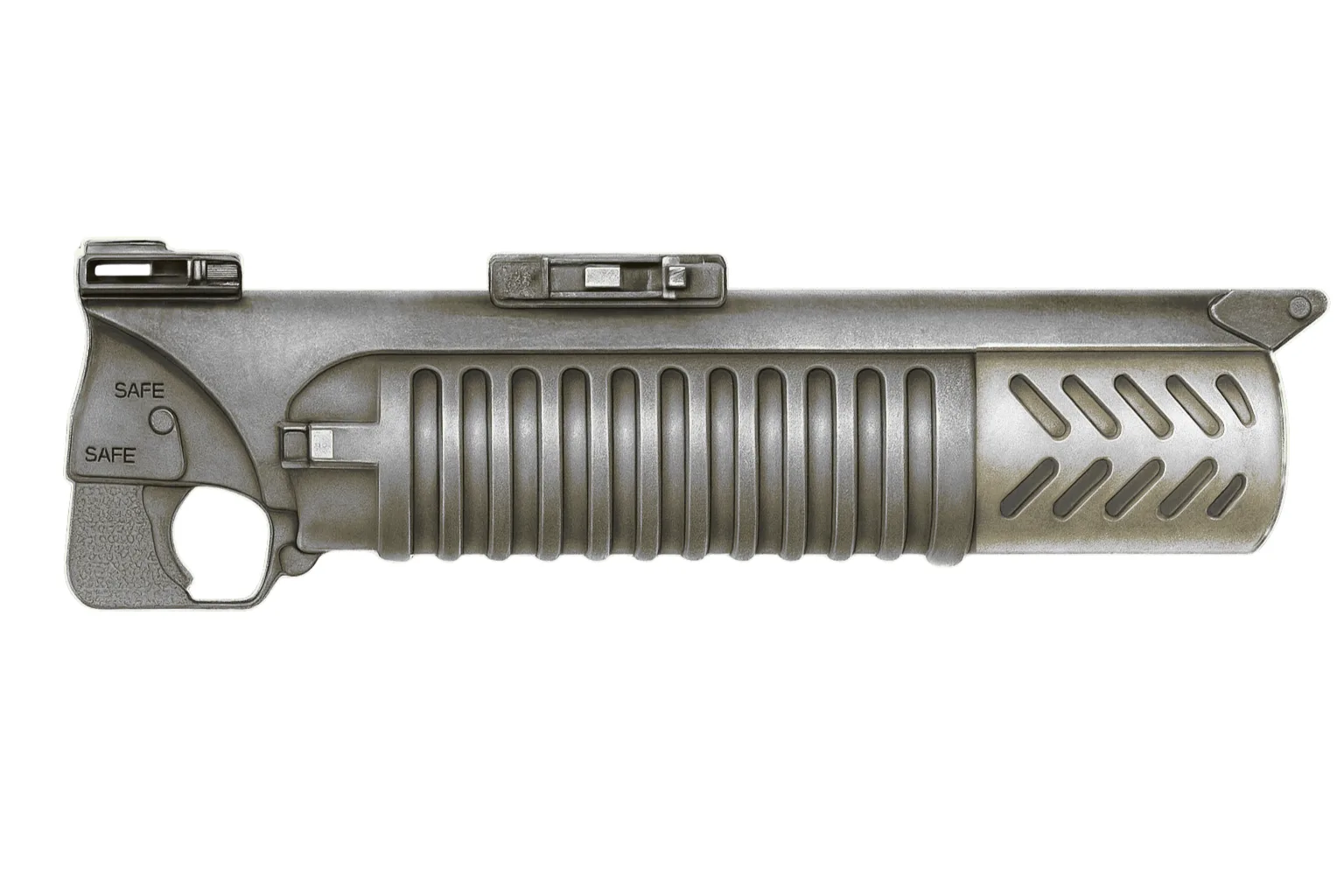
Kinetic energy launchers use controlled pyrotechnic charges to propel rubber, dense foam or polymer projectiles at velocities capable of generating a forceful impact at a distance. Their operation is based on the deflagration of low-power propellants, which generate instantaneous pressure inside the barrel and expel the munition in calibers commonly between 37 mm and 40 mm.
These systems integrate principles of internal and terminal ballistics, where the mass of the projectile, the initial velocity and the firing distance determine the energy transferred to the target.
Due to its design, the projectile’s behavior may exhibit variations in stability, dispersion and accuracy, which directly influences its operational performance.
Exploring this category makes it possible to understand how ballistic engineering, the type of munition and the characteristics of the propulsion system define the real operation of these launchers within the contemporary arsenal of tactical control.
| Category | Technical specification |
|---|---|
| Weapon type | Launchers and propellers of solid or semi-rigid projectiles. |
| Common calibers | 37/38 mm and 40 mm. |
| Munition type | Rubber, dense foam, rigid plastic. |
| Weapon material | Metal alloys and technical polymers for strength and lightness. |
| Projectile energy | Between 90 and 160 J (may exceed 200 J in direct-impact munitions). |
| Intended use | Controlled physical impact for deterrence in policing contexts. |
Design, Use and Omission The problem of the design, use and omission of kinetic energy launchers and propellers such as riot shotguns, FN303-type launchers, rubber projectile rifles, hardened paint markers and other similar devices represents one of the most troubling expressions of state violence concealed under the label of “legitimate crowd control.” By their very design, these devices are conceived to fire projectiles with a given mass, shape and velocity, generating an amount of energy that, while considered “non-lethal” in controlled settings, can reach dangerously close to lethal thresholds when used outside protocol. In physical terms, the impact of these projectiles can exceed 90 joules, especially at short distances, making them weapons capable of fracturing bones, penetrating soft tissue and even perforating cranial or ocular cavities.
In protest contexts, as has been widely documented in countries such as France (with the use of the LBD40), Chile (with pellet shotguns), Colombia, Iran, India or the United States, these devices have caused blindness, traumatic brain injuries, internal hemorrhages and deaths, demonstrating that the problem is not only technical but structural. As for use, the greatest risk lies in the way these devices are employed by security forces: point-blank shots, to sensitive areas such as the head or chest, without prior warning and in situations that do not represent a direct threat. In many cases, officers fire horizontally and directly, instead of performing parabolic shots toward the ground, as indicated by the scarce existing regulations. Furthermore, multiple cases have been documented in which dozens of projectiles were fired simultaneously and indiscriminately, as in the repression of protests in Gaza, Nicaragua or Venezuela. This logic of disproportionate and indiscriminate use reveals a culture of institutionalized impunity that exceeds any principle of proportionality and necessity, and turns these weapons into instruments of collective punishment rather than tools of dispersal.
This omission is particularly serious in the Global South, but it is also evident in consolidated democracies such as the United States or France, where injuries from rubber bullets have been recognized by bodies such as the UN or Amnesty International as possible forms of cruel, inhuman or degrading treatment. Taken together, deficient technical design, abusive use and institutional omission create a scenario in which kinetic energy launchers cease to be tools of containment and become weapons of mass repression, with devastating and persistent consequences for the physical and psychological health of the victims.
This “lethal intermittency,” in which some victims lose an eye and others “only” suffer contusions, allows the State to render invisible the real effects of repression, while legitimizing the use of force under discourses of modernization or proportionality. However, as the IACHR, the UN and various medico-legal organizations have pointed out, these weapons can be just as destructive as conventional weapons, except that they operate from an ambiguous threshold of legality, technique and morality. In conclusion, pneumatic weapons are neither neutral nor harmless. They are technologies designed to inflict physical harm under a supposed logic of control, but which in reality open a field of legal and medical ambiguity. Their deficient regulation, their abusive use and the deliberate omission of States in monitoring their effects reinforce the need to reassess their role in public order. More than tools of containment, they have become symbols of covert repression, capable of leaving bodies marked and rights violated without the system assuming the responsibilities that fall to it.