Voices of Survivors of Eye Violence
In these interviews, survivors from different countries describe how state violence changed their lives. Their accounts show how shooting protesters in the eyes affects families, education, work and social relationships. CIIVO documents these acts as forms of torture.
Survivors tell us about their lives before, during and after the violence. Their accounts help us recognize these acts as a systematic form of torture whose effects extend to society and to the very idea of democracy. Preserving these testimonies as part of our collective memory sheds light on the causes and consequences of eye violence and helps us work to prevent it from happening again.
Survivor voices
Esther Quintana
Spain
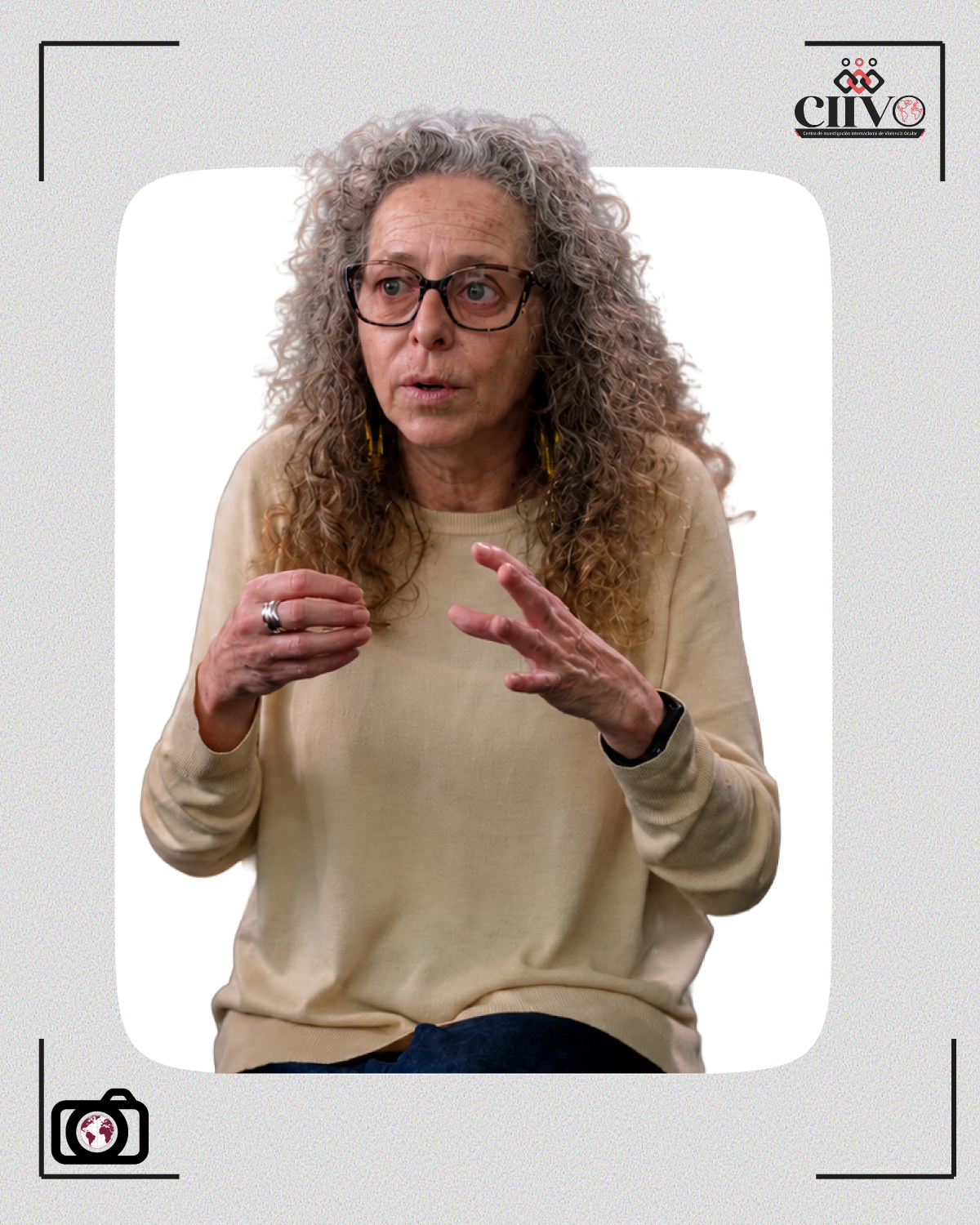
Esther Quintana is Catalan and has worked in public services supporting people with disabilities and people who need help with daily living. During a general strike in Barcelona in 2012, a rubber bullet fired by police cost her an eye and caused multiple facial fractures. Her family, friends and community helped launch Ojo con tu Ojo, a campaign that contributed to the ban on these munitions in Catalonia. Her testimony became a reference point for people speaking out against police violence. Although the courts did not sanction those responsible, she found a form of redress in collective solidarity. Through her ties to Irídia and Stop Balas de Goma, she supports other victims and shares her experience so that no one has to face state violence alone.
Watch testimony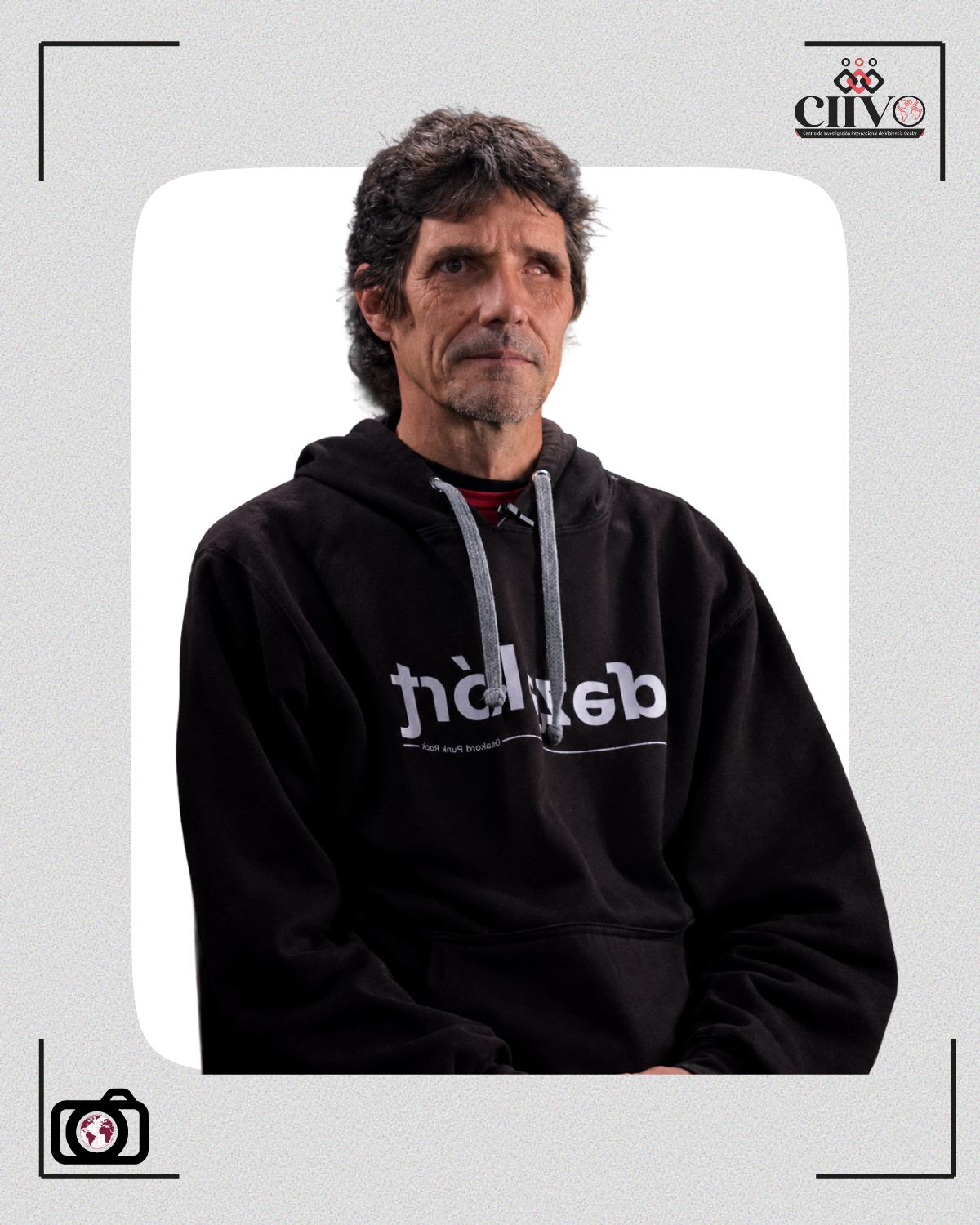
Survivor voices
Carles Guillot
Spain
Carles Guillot survived eye violence in Spain after an assault by the Mossos d’Esquadra, the Catalan police. In his interview, he reflects on what reparation can mean for people whose lives have changed after an eye injury. No measure can fully restore the function of the injured eye, he says, but there are steps that can improve survivors’ quality of life. Drawing on his own experience, he asks what it means to make amends for irreversible harm and how institutions can respond to the needs of those who live with it.
Watch testimony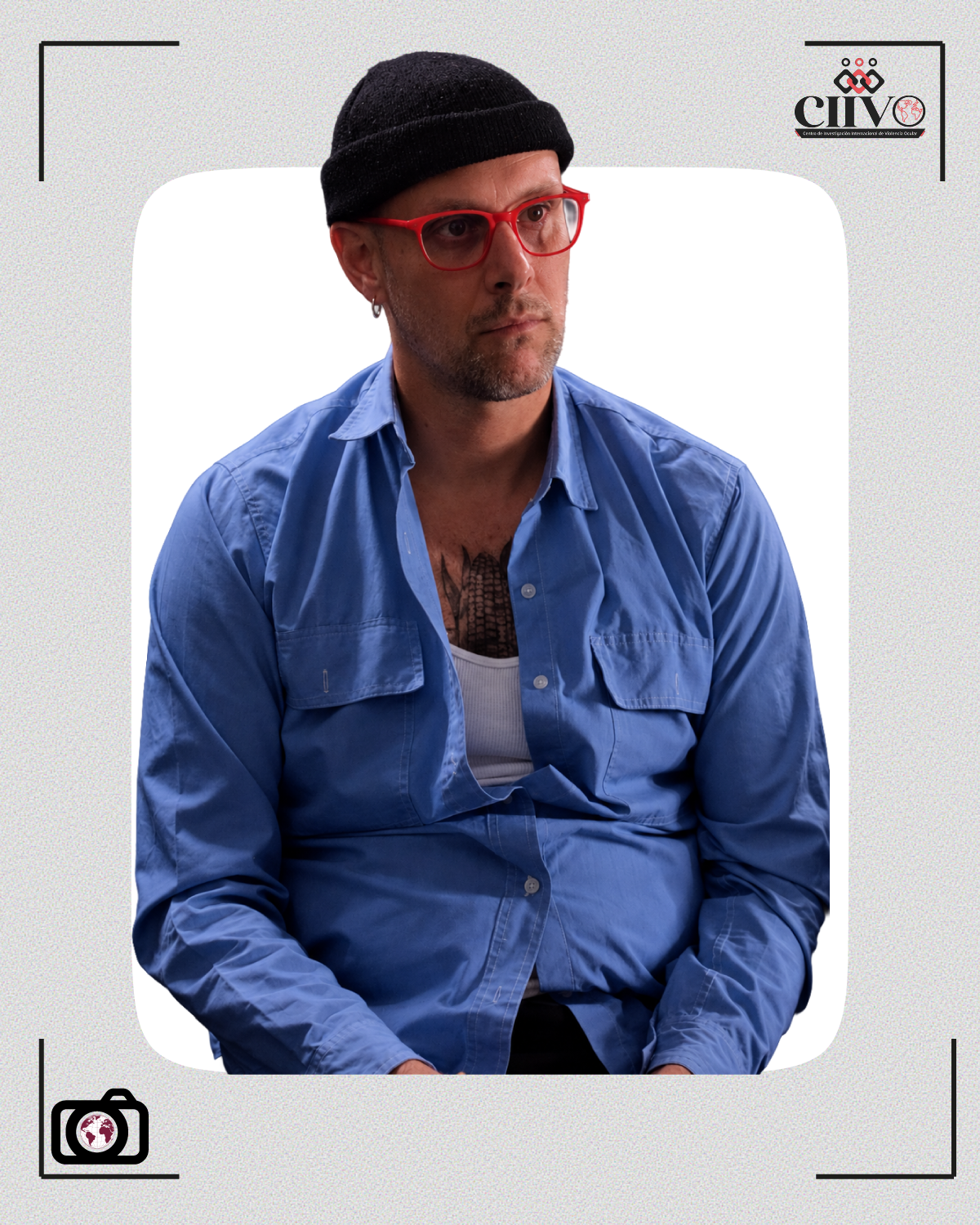
Survivor voices
William Sands
United States
William Sands is a photojournalist with 18 years of experience. In 2020, while covering Black Lives Matter protests in Washington, he sustained a severe eye injury and lost 75% of the vision in his right eye. He had to relearn how to take photographs, and his relationship with his profession changed. He went on to create Shot in the Eye Squad, a support network for people with eye injuries. He sued the police and received compensation. For him, justice also means preventing the use of weapons that maim and ensuring that others do not suffer similar injuries.
Watch testimony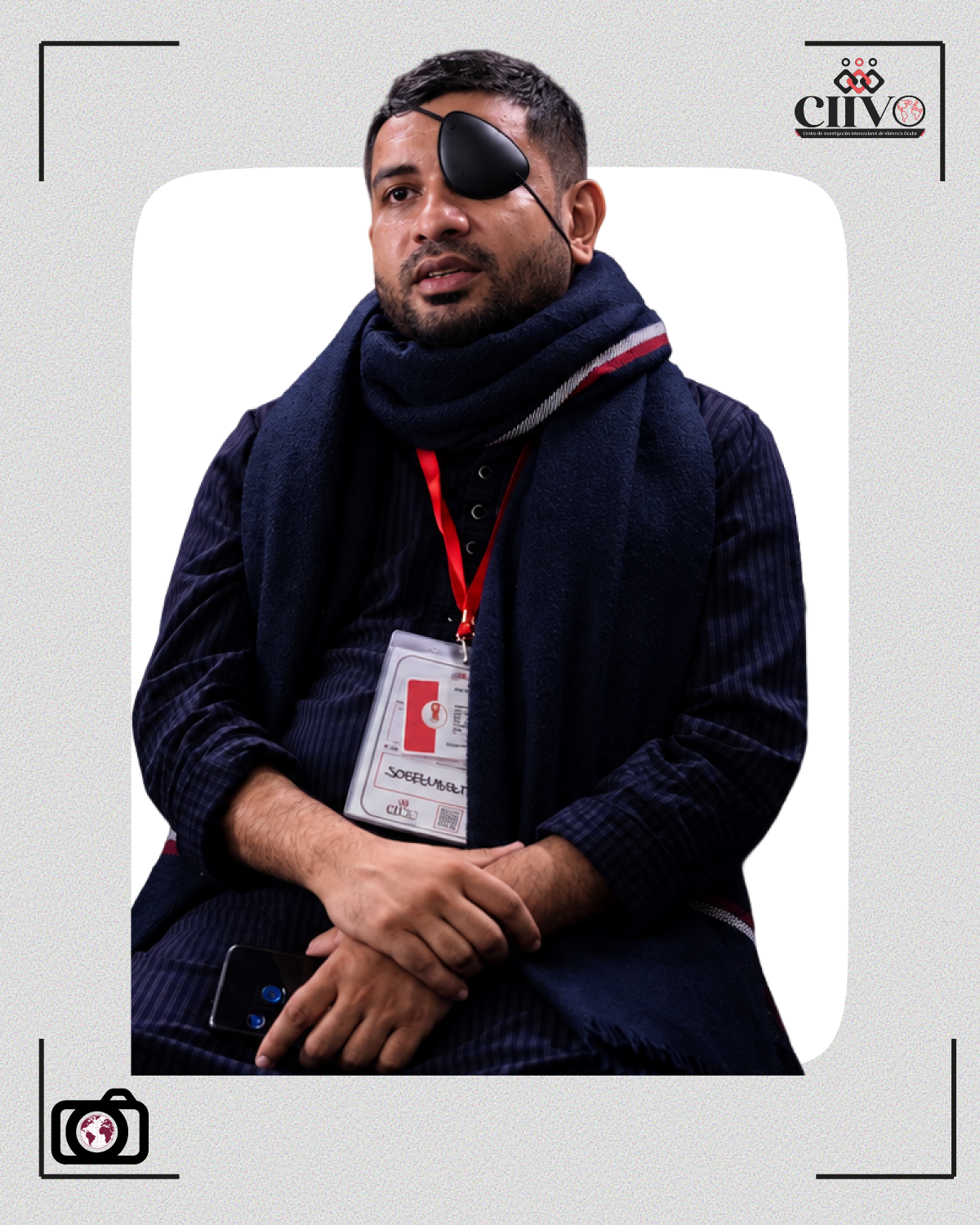
Survivor voices
Muhaimin Pulok
Bangladesh
Muhaimin Pulok is an administrative worker and graphic designer in Bangladesh. In 2014, he lost sight in his left eye after being struck by pellets. He has lived with chronic pain and post-traumatic stress disorder ever since, affecting his independence and social life. His family has been his main source of support while also bearing the emotional consequences. Alongside his health problems and the need for multiple operations, he has faced political stigma and received little state assistance. No one has been held accountable in his case. His account shows how the effects of an eye injury endure for survivors and their families.
Watch testimony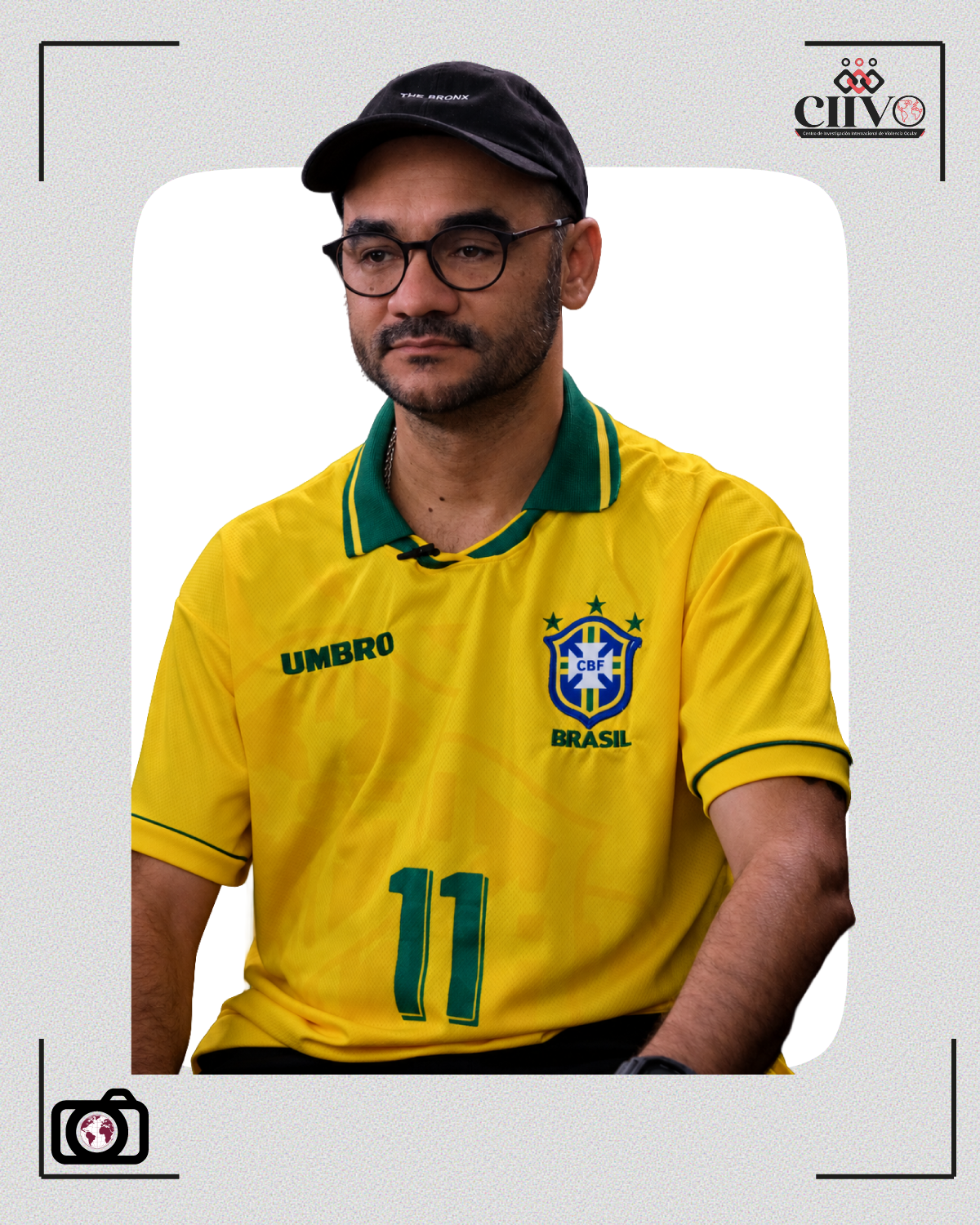
Survivor voices
Sergio Silva
Brazil
Sergio Silva is a Brazilian photographer who lost his left eye in 2013 when a police projectile struck him during a protest in São Paulo. The injury changed his career, his sense of identity and his daily life. A court denied him compensation, holding him responsible for putting himself “in the line of fire.” No one has been held accountable for the attack. For more than a decade, he has sought the truth and recognition of the state’s responsibility. His testimony describes what police violence can mean for journalists and the persistence it takes to seek justice.
Watch testimony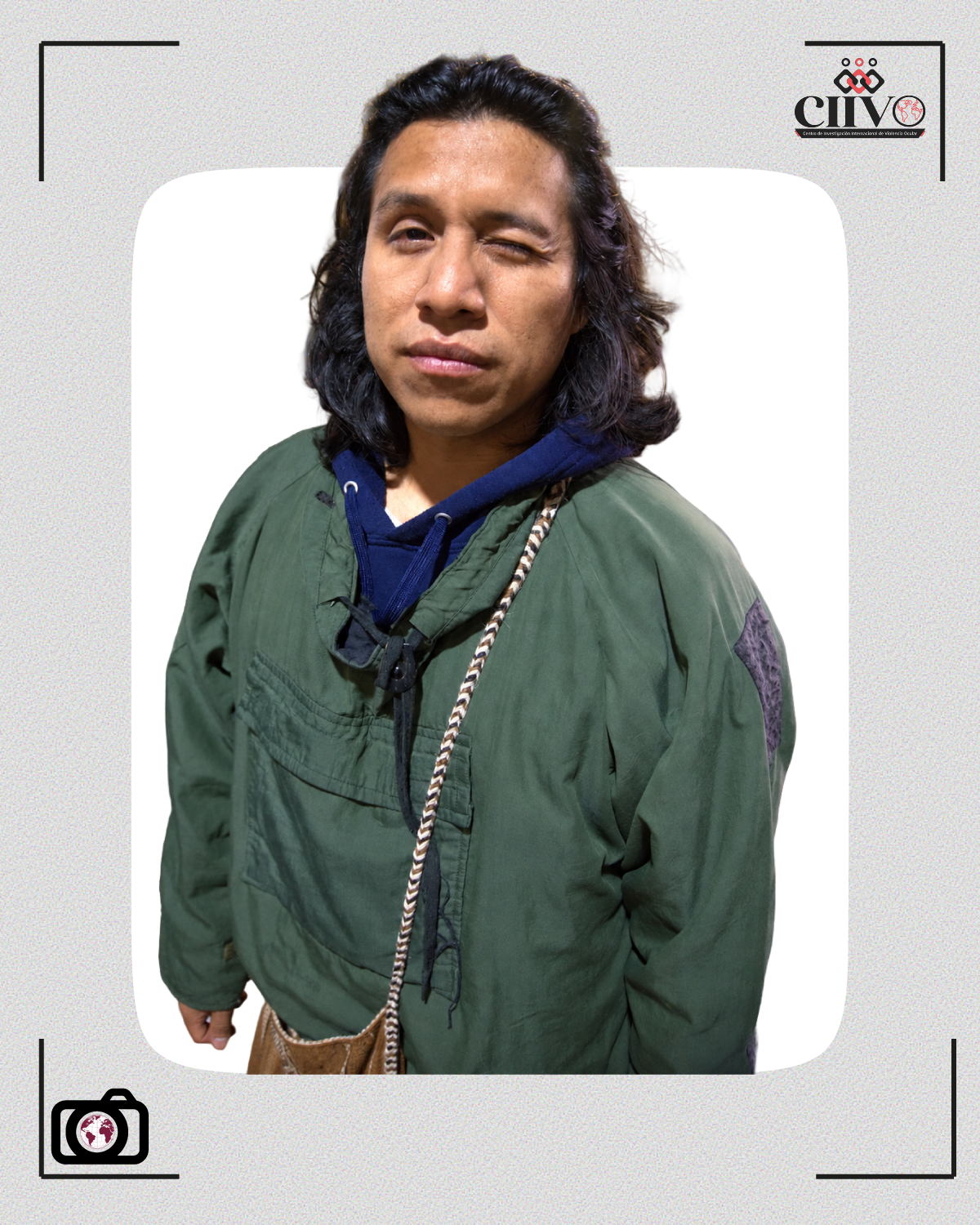
Survivor voices
Marco Ramon
Peru
Marco Ramon is a Peruvian photojournalist. In 2017, while covering a protest, he suffered a severe eye injury from pellets fired by police. He subsequently faced medical negligence, barriers at work and a profound emotional crisis. His family took on debt to pay for operations in Peru and the United States and played a central role in his recovery. Despite substantial evidence, the courts closed his case. His testimony describes the physical, emotional and financial consequences of eye violence, the barriers to justice and the difficulties of practicing critical journalism.
Watch testimony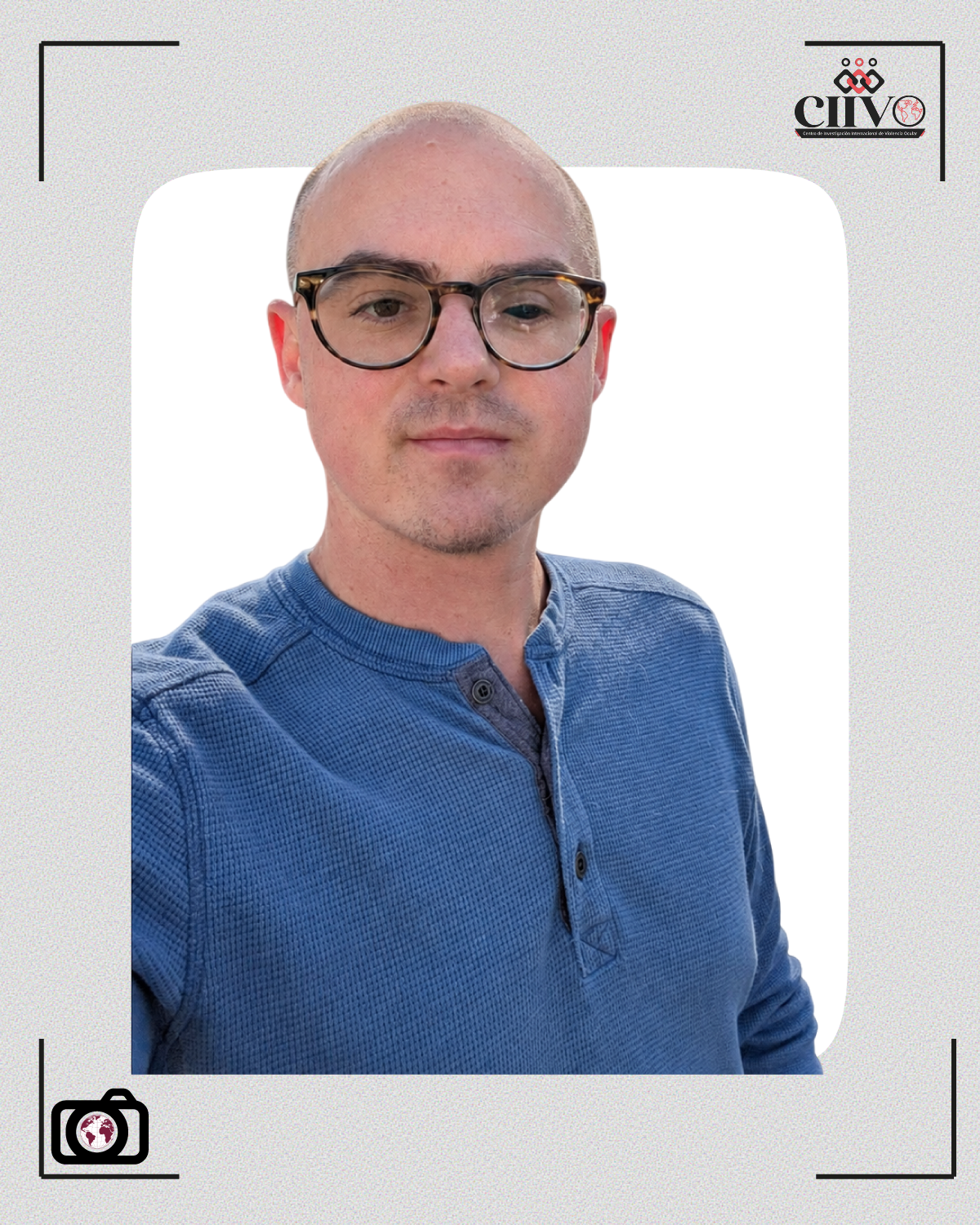
Survivor voices
Soren Stevenson
United States
Soren Stevenson lost his left eye in Minneapolis when a rubber bullet struck him during a protest over George Floyd’s death in 2020. He also suffered facial fractures and lasting breathing problems. His family became more protective, and he decided to enter politics to advocate for police reform. He sued the city and received compensation, although the officer responsible remains on duty. He now speaks publicly about state accountability and civil rights. In his view, compensation alone cannot meet survivors’ demands for justice.
Watch testimony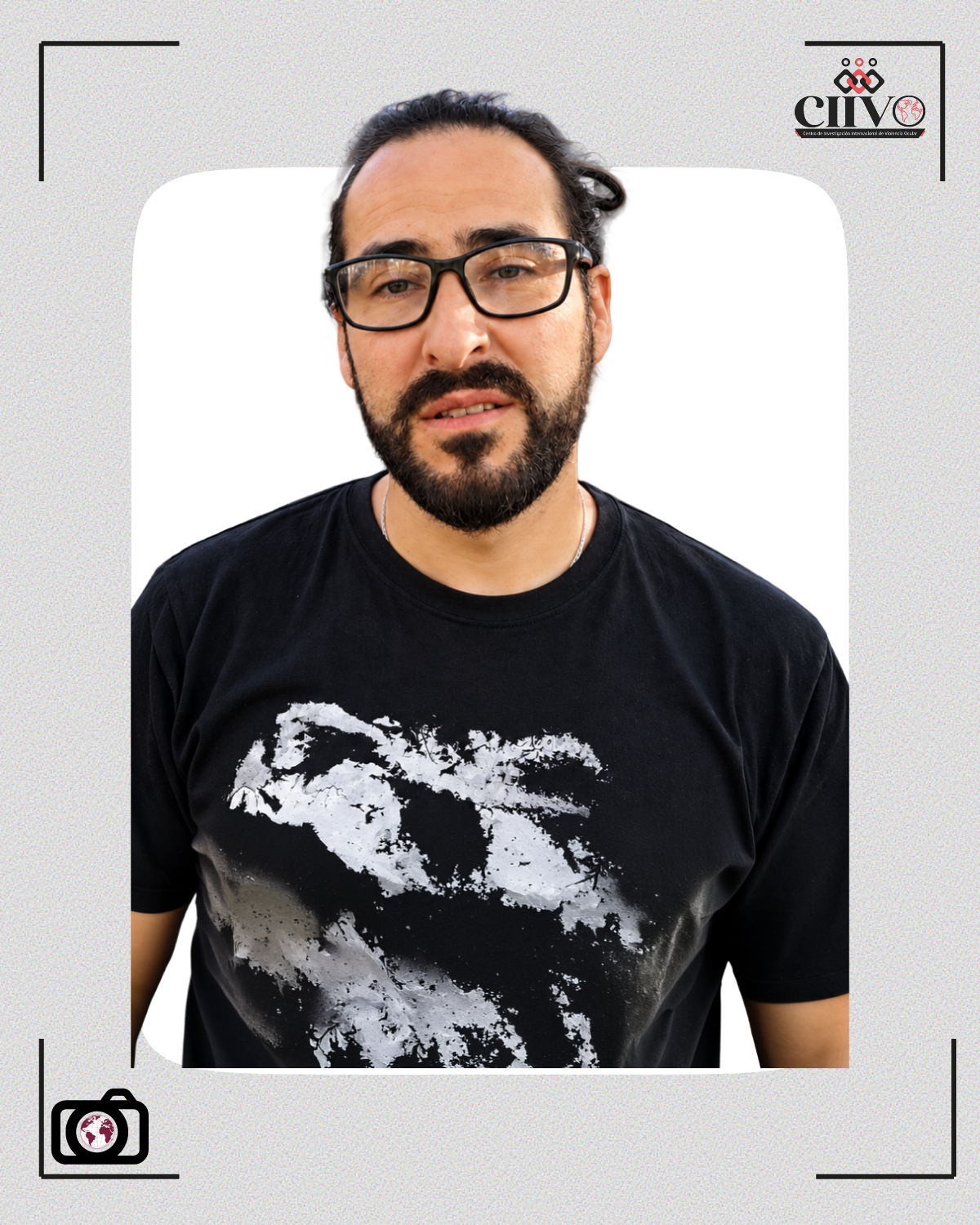
Survivor voices
Cesar Galloso
Chile
César Galloso was a member of Chile’s Coordinadora de Víctimas de Trauma Ocular and sustained an eye injury during the protests. He describes being afraid to go outside and how that fear has limited his ability to demonstrate. He says the state abandoned him and that he never received psychological support or effective care through the program announced for victims. He questions the lack of accountability and transparency surrounding the actions of the Carabineros, Chile’s national police. Despite his fear, he is finding ways to participate in public life again and continues to seek justice. Through music, he speaks out against human rights violations and keeps his voice heard.
Watch testimony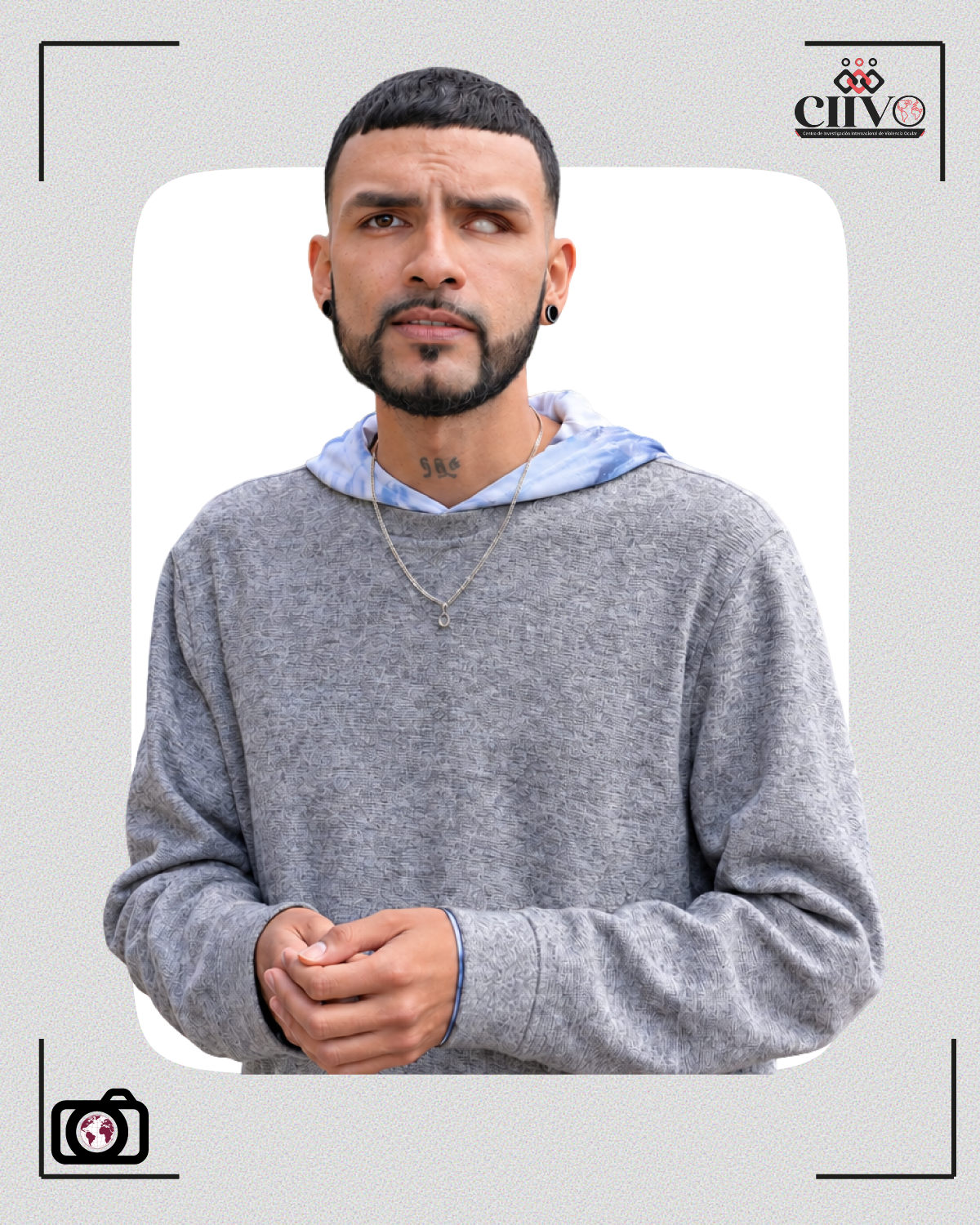
Survivor voices
Giovanny García
Colombia
Giovanny García survived an eye injury during Colombia’s 2021 national strike in Cali. An ESMAD officer fired a tear gas canister at him from less than fifteen meters away, causing ocular evisceration and fractures to his face and jaw. The physical and emotional effects limited his ability to work, and he resigned from his job at a public lighting company. Pain and the ongoing care of his prosthetic eye changed his daily routine. His family’s steadfast support and new personal connections have been essential. He obtained a favorable administrative ruling, now under appeal, but considers the legal response insufficient. He calls for lifelong psychosocial and financial support for people living with irreversible sight loss and its wider consequences.
Watch testimony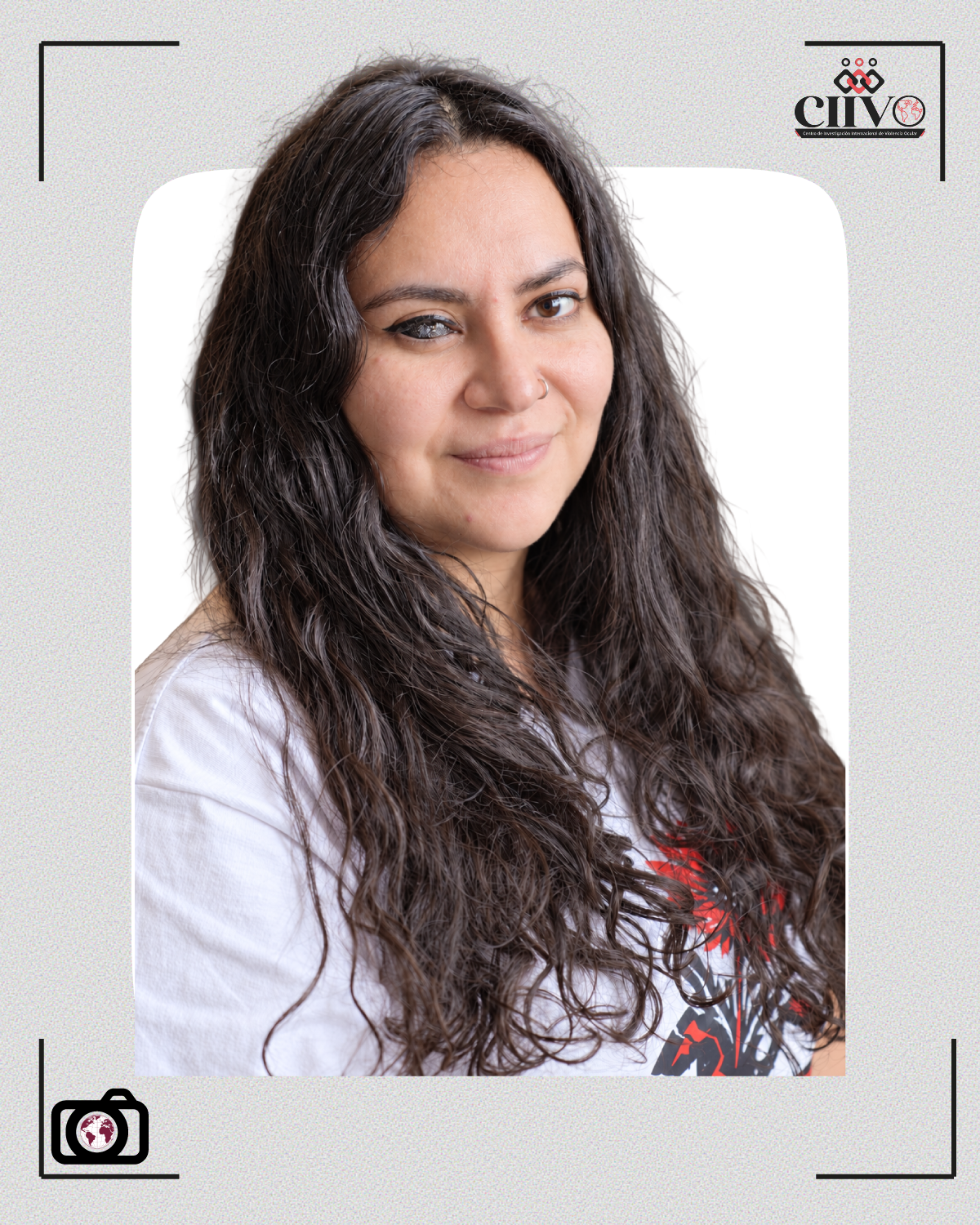
Survivor voices
Natalia Aravena
Chile
Natalia Aravena is a young Chilean woman who has participated in social movements since her teens. Beginning with the 2011 student marches, she has campaigned for causes including free, high-quality education. She returned to the streets during the 2019 uprising. On October 28, she left her home in Peñalolén and headed to central Santiago for a demonstration outside La Moneda. She feared the escalating repression but felt it was important to be there and speak up for what she believed. That day profoundly shaped her life. Her account conveys both her commitment to collective action and the fear she experienced in exercising her right to protest.
Watch testimony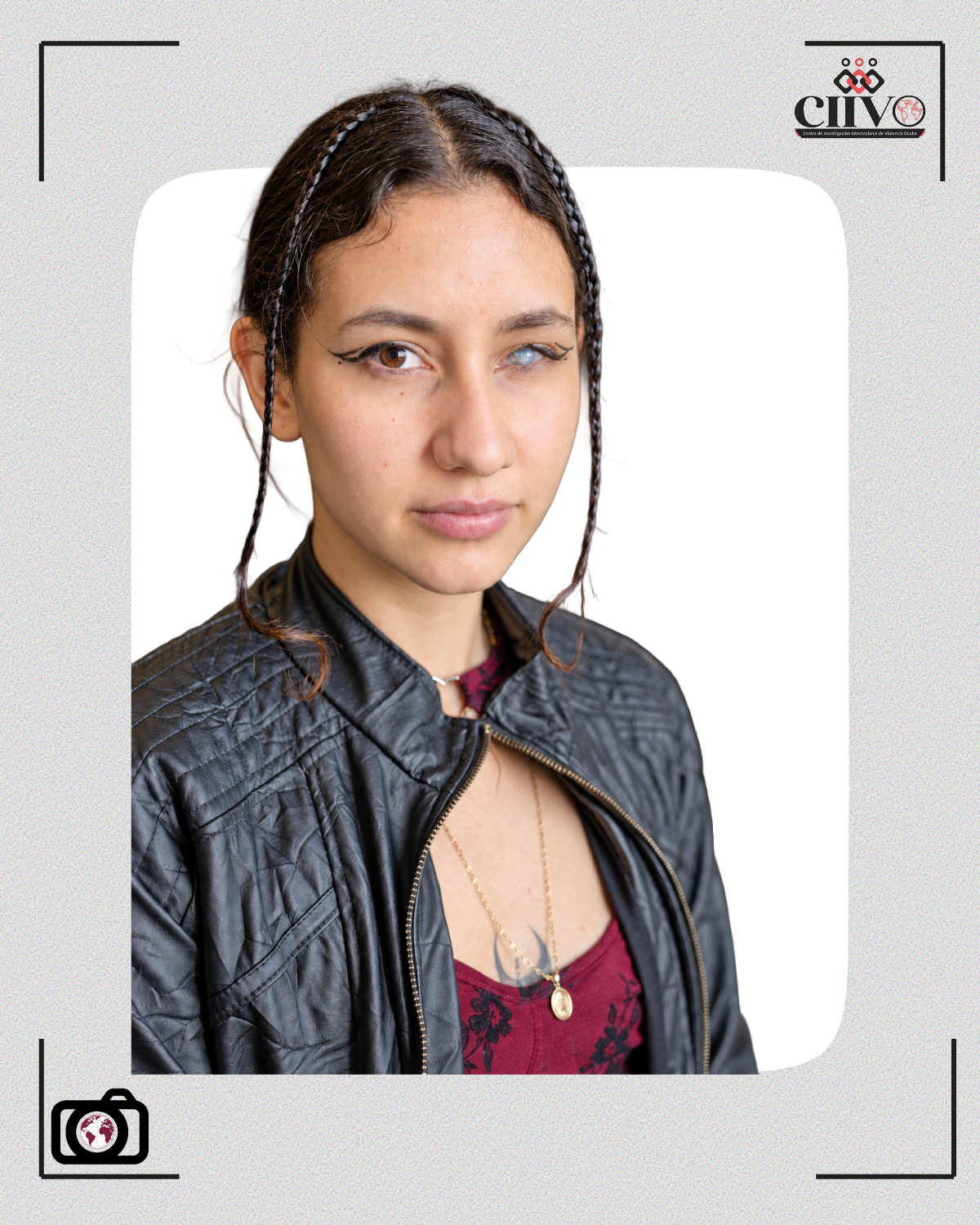
Survivor voices
Natalia Bernal
Colombia
Natalia Bernal survived state violence at a May Day march in Cali in 2014. She was a minor when officers using ESMAD equipment fired a projectile from less than two meters away. She lost her left eye and suffered facial burns. Without family support, she faced abandonment, ridicule and deep emotional distress. A dancer who had enjoyed an active social life, she found that the injury affected her balance, self-esteem and relationships. She also experienced discrimination at work and long periods of unemployment. The compensation she received was insufficient and did not include the medical and psychological care she needed. She speaks out about this exclusion and shares a message with other survivors about turning pain into the strength to carry on.
Watch testimony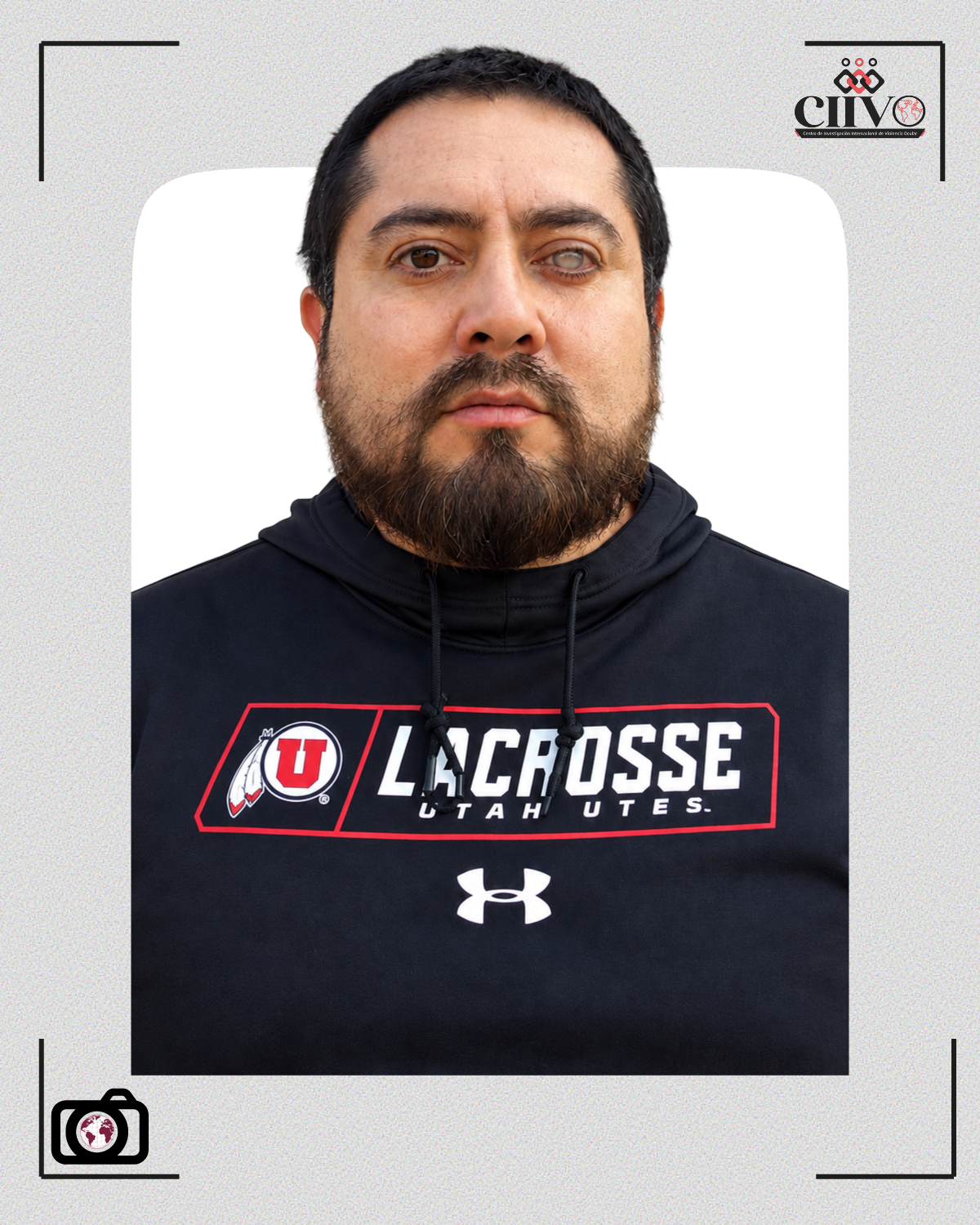
Survivor voices
Pablo Montiel
Chile
Pablo Montiel is a Chilean carpenter who lost all sight in one eye after being shot with a riot-control shotgun on November 1, 2019. Medical restrictions prevented him from continuing in construction, and he spent more than two years without an income. He has faced social stigma, emotional strain and frustration at the lack of justice. In his testimony, he identifies Claudio Crespo as responsible for the attack and says no one has been held accountable in his case. A close, stable relationship has been an important source of support. He continues to speak about state violence and the institutional neglect its survivors face.
Watch testimony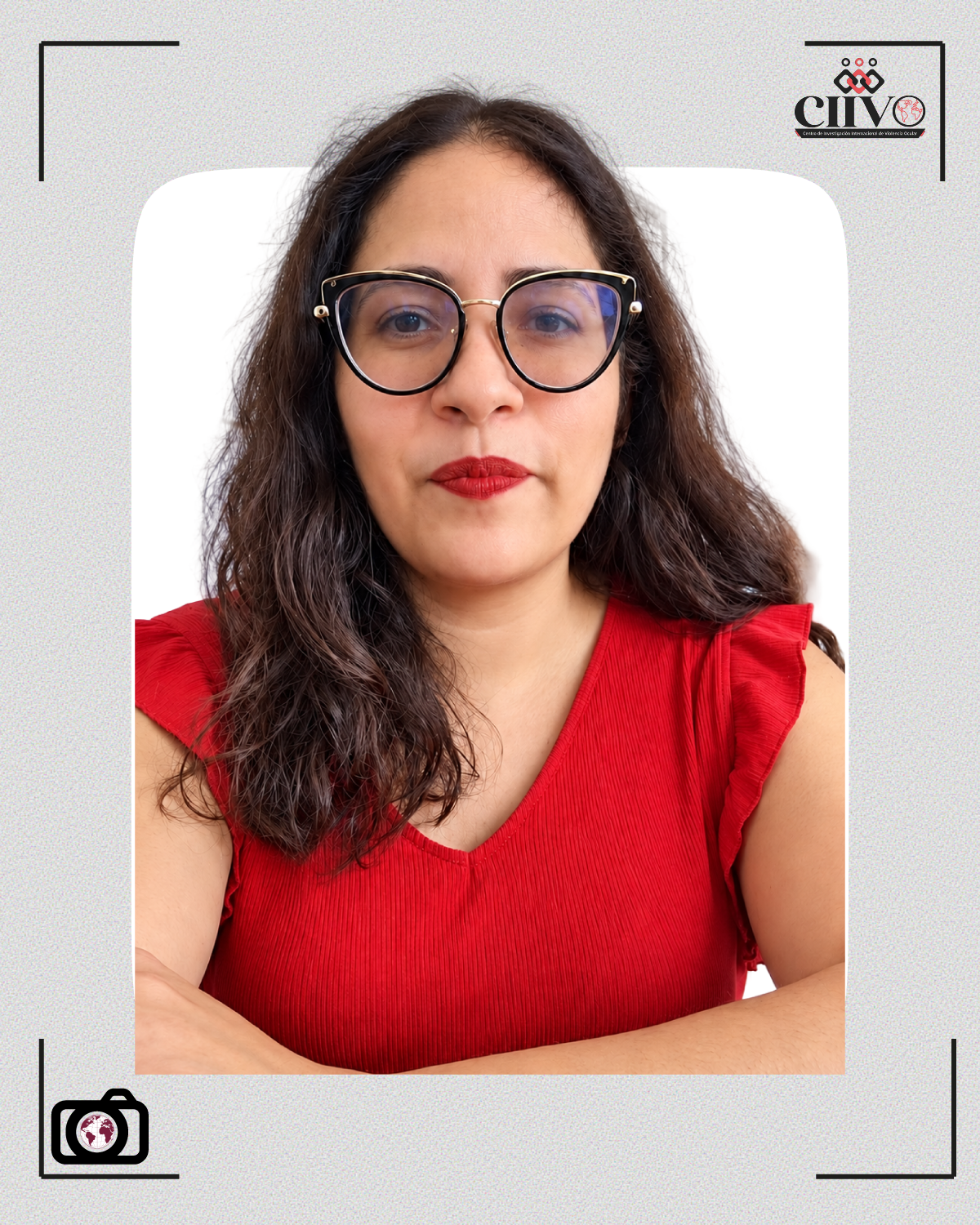
Survivor voices
Pola Montoya
Chile
Pola Montoya is a lawyer and human rights defender from Puente Alto, Chile. Social inequality and structural violence have shaped her life. She recounts repeated police assaults during the uprising, including beatings, threats of rape, torture and a motorcycle pursuit by the Carabineros. These experiences caused lasting psychological harm, personal losses and a decline in her emotional well-being. Following a long period of crisis, she went on to hold public office, where she drew on her experience to speak out against abuse. Her pursuit of justice centers on remembrance, education and collective resistance as ways to confront violence and uphold survivors’ demands.
Watch testimony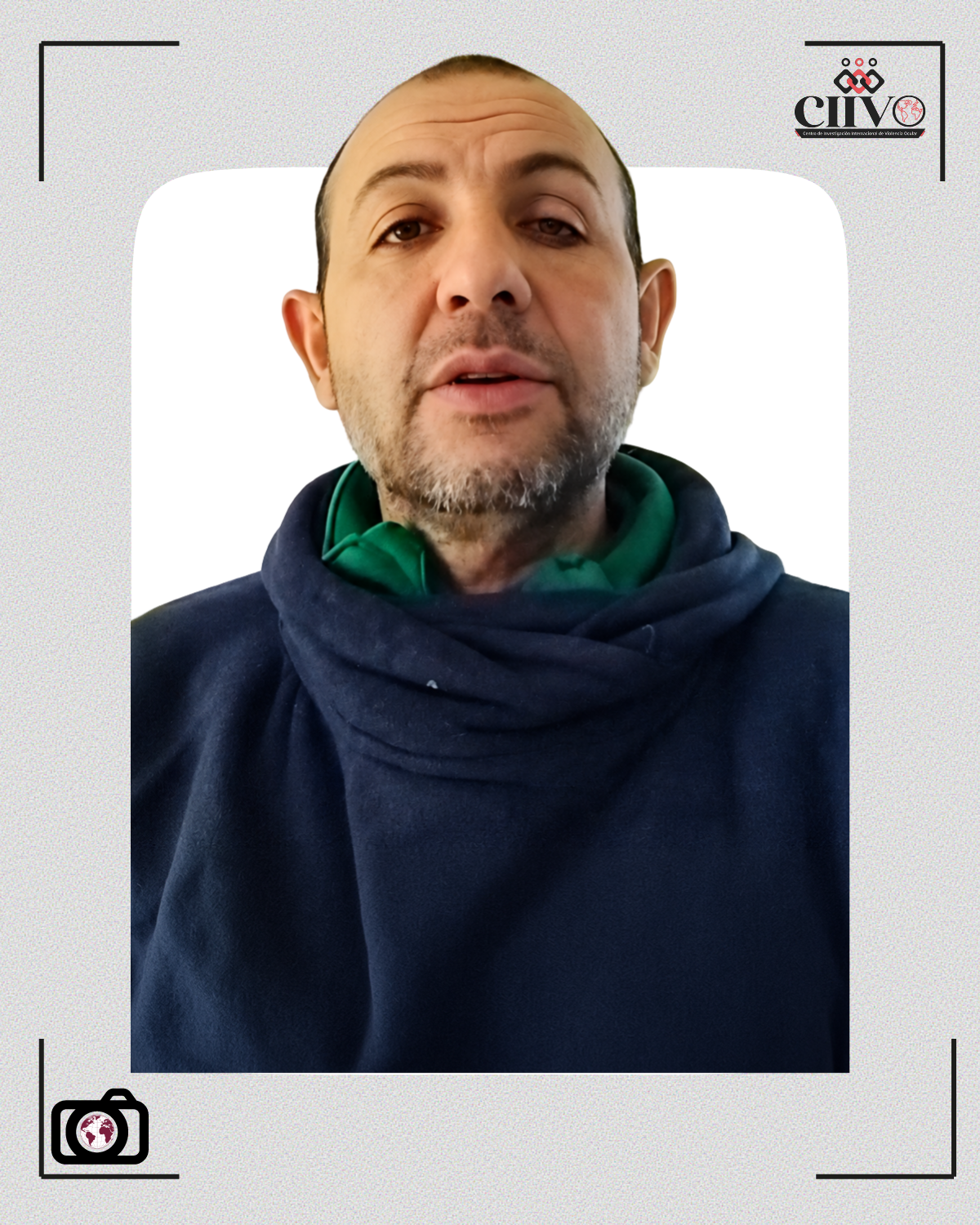
Survivor voices
Raúl Muñoz
Chile
Raúl Muñoz is a Chilean artist who was struck by a tear gas canister during the 2019 uprising. He suffered facial fractures and lost 75% of his vision. Art helped him cope with the aftermath, and he founded an organization dedicated to remembrance and human rights. In his testimony, he speaks out about the use of chemical agents, medical negligence and the state’s failure to hold anyone accountable. He also draws attention to depression, poverty and deaths by suicide among other survivors. He seeks to bring his case before international justice bodies and continues to work for remembrance and recognition of victims.
Watch testimony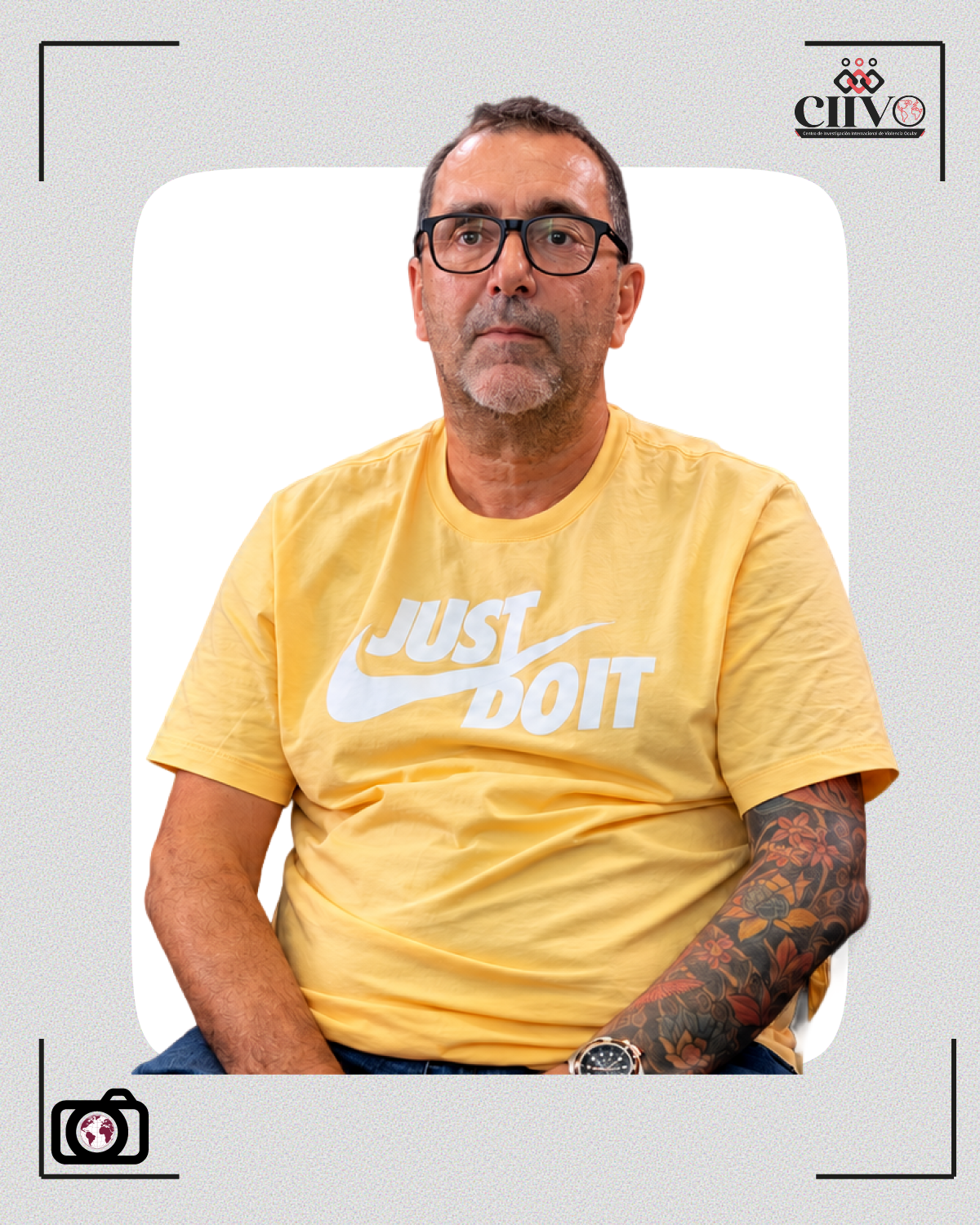
Survivor voices
Sandro Abreu
Brazil
Sandro Abreu is a Brazilian survivor of eye violence who was injured by the police use of “less-lethal” weapons. In September 2017, he lost his right eye after being shot by the Military Police as he left a Copa Libertadores match between Santos and Barcelona de Guayaquil. He had not been involved in any disturbances. The police did not assist him, and a friend took him to the hospital. He underwent several operations, including removal of the eye and the fitting of a prosthesis. He now sees with only one eye, a permanent loss.
Watch testimony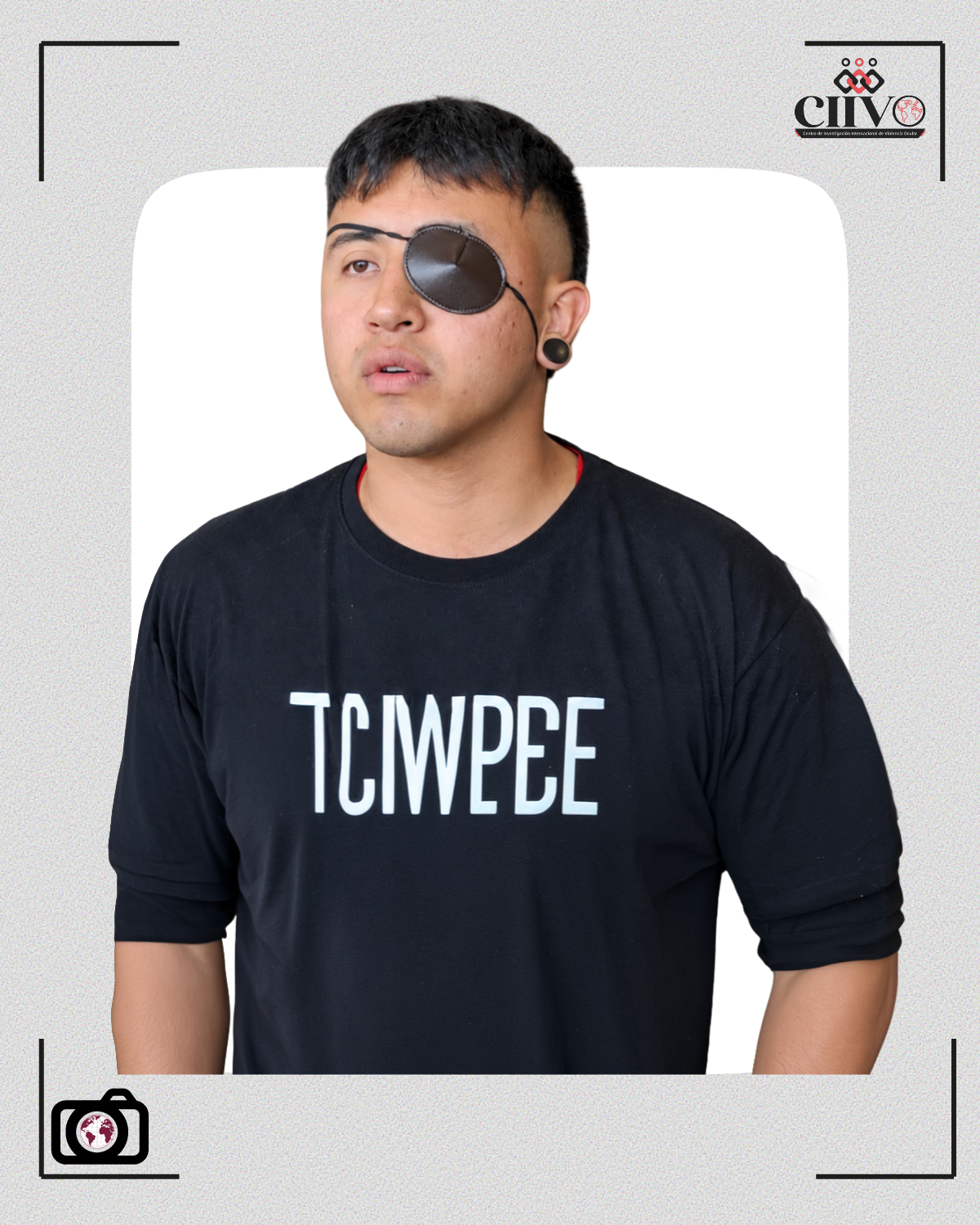
Survivor voices
Alejandro Hernández
Colombia
Alejandro Hernández is a communications professional and journalist. In 2019, a projectile fired from a paintball marker cost him the sight in his left eye. He stopped playing sports, encountered barriers at work and became self-conscious about his body. His pursuit of justice has brought delays and further victimization. Although he has spent millions on treatment, the legal proceedings have yet to address his demands. For Alejandro, reparation means learning the truth, receiving an apology and having guarantees that others will not suffer the same violence.
Watch testimony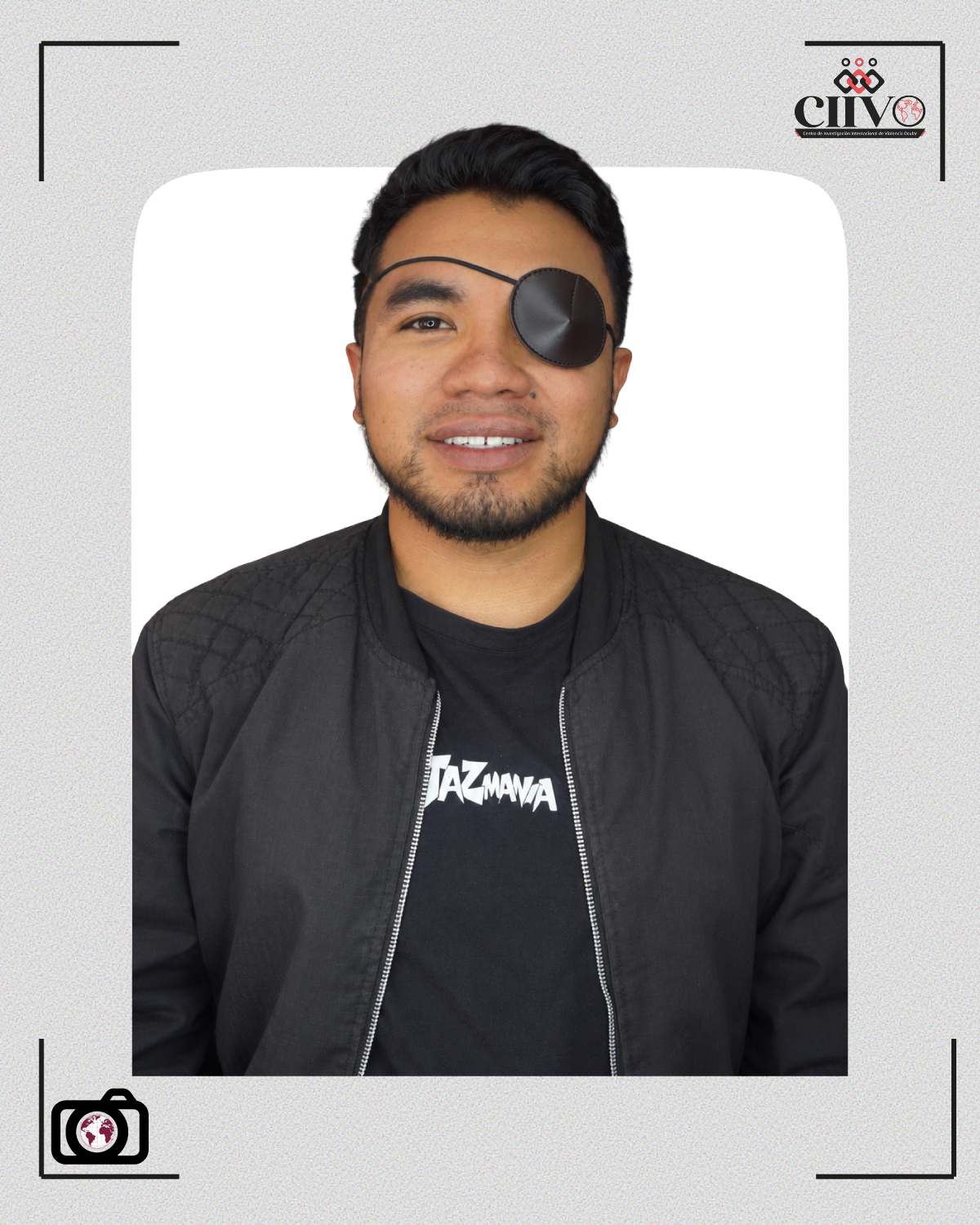
Survivor voices
Alvaro López
Colombia
Álvaro López lost his left eye in 2022 when a grenade struck him at a demonstration at the Universidad Distrital. His family helped him cope with the injury, but its visible effects also exposed him to social rejection and difficulties at work. He has faced delays and obstacles in seeking justice. His insurance covered some expenses, but he feels no reparation can give him back the life he had before the attack. He speaks about survivors’ dignity, the importance of making their experiences known and their right to be treated with respect and without stigma.
Watch testimony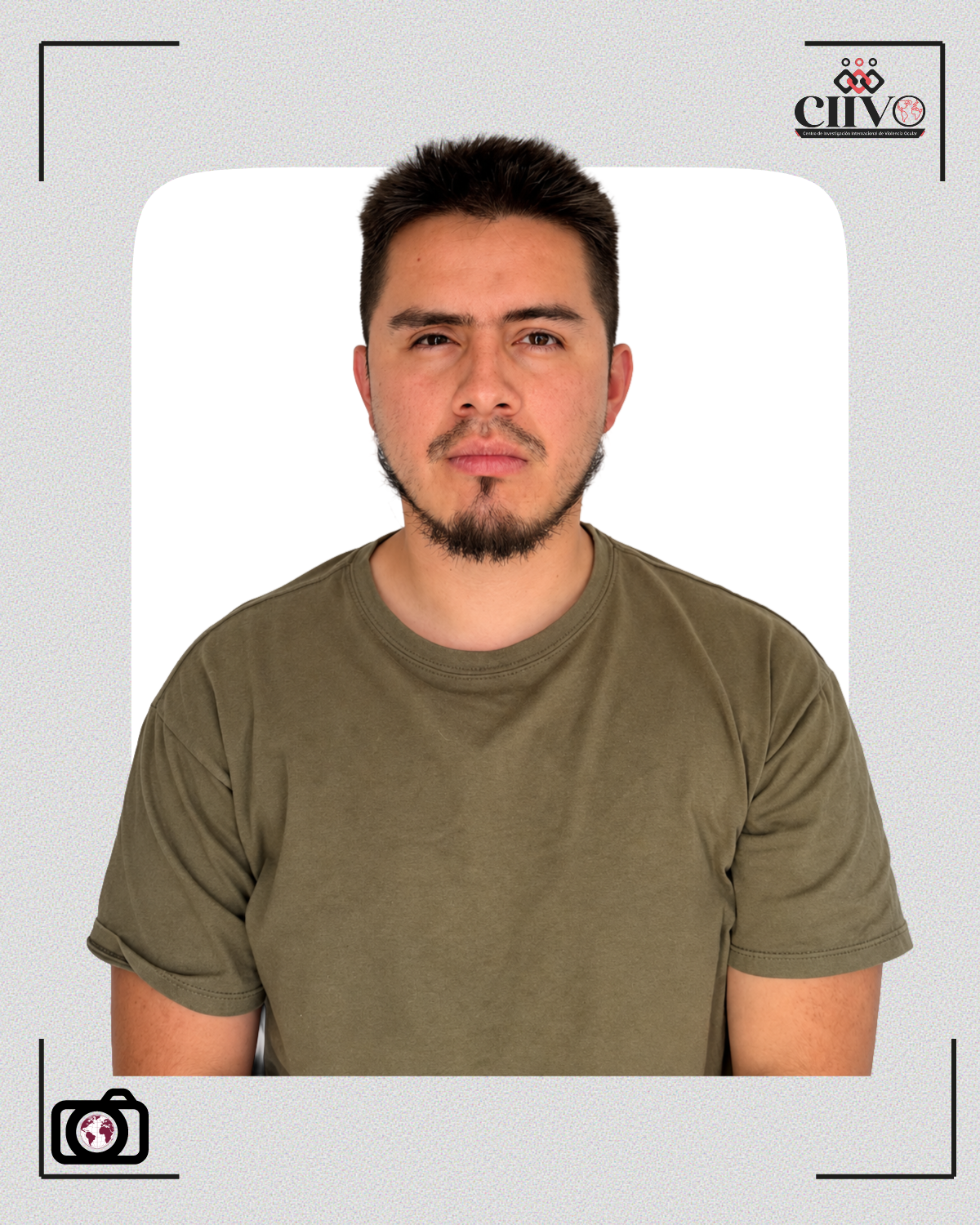
Survivor voices
Andrés Guerrero
Colombia
Andrés Guerrero suffered a ruptured eye during the 2019 university strike at the Universidad Distrital and lost the use of his left eye. With his family’s steady support, he adapted to changes in daily life, including limits on work and sports. Having to testify before the very institution he holds responsible felt to him like another act of violence. He questions procedures that retraumatize people seeking answers. For Andrés, meaningful reparation requires the truth, institutional sanctions and a public apology from the senior officers who encouraged stigmatization.
Watch testimony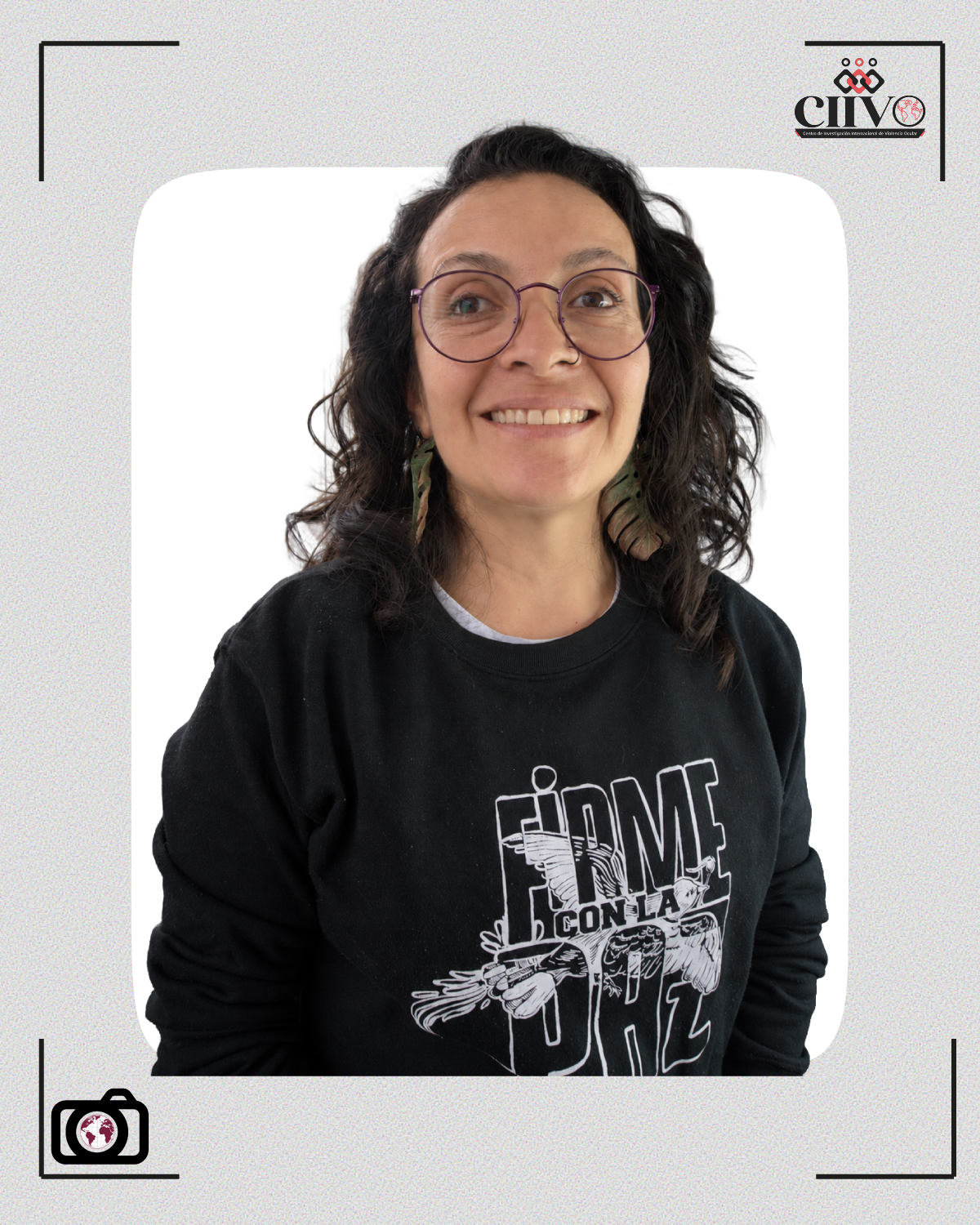
Survivor voices
Carolina Bautista
Colombia
Carolina Bautista is a Colombian economist and academic who survived eye violence in 2003. ESMAD officers injured her during a protest against the war in Iraq, deeply affecting her family life and emotional well-being. Fear kept her from reporting the incident, and she lived with silence and grief. She now reflects on police doctrine and the consequences of state violence. Through her work on remembrance and human rights, she supports new generations of survivors and shares her story to help secure recognition for victims and build a collective memory.
Watch testimony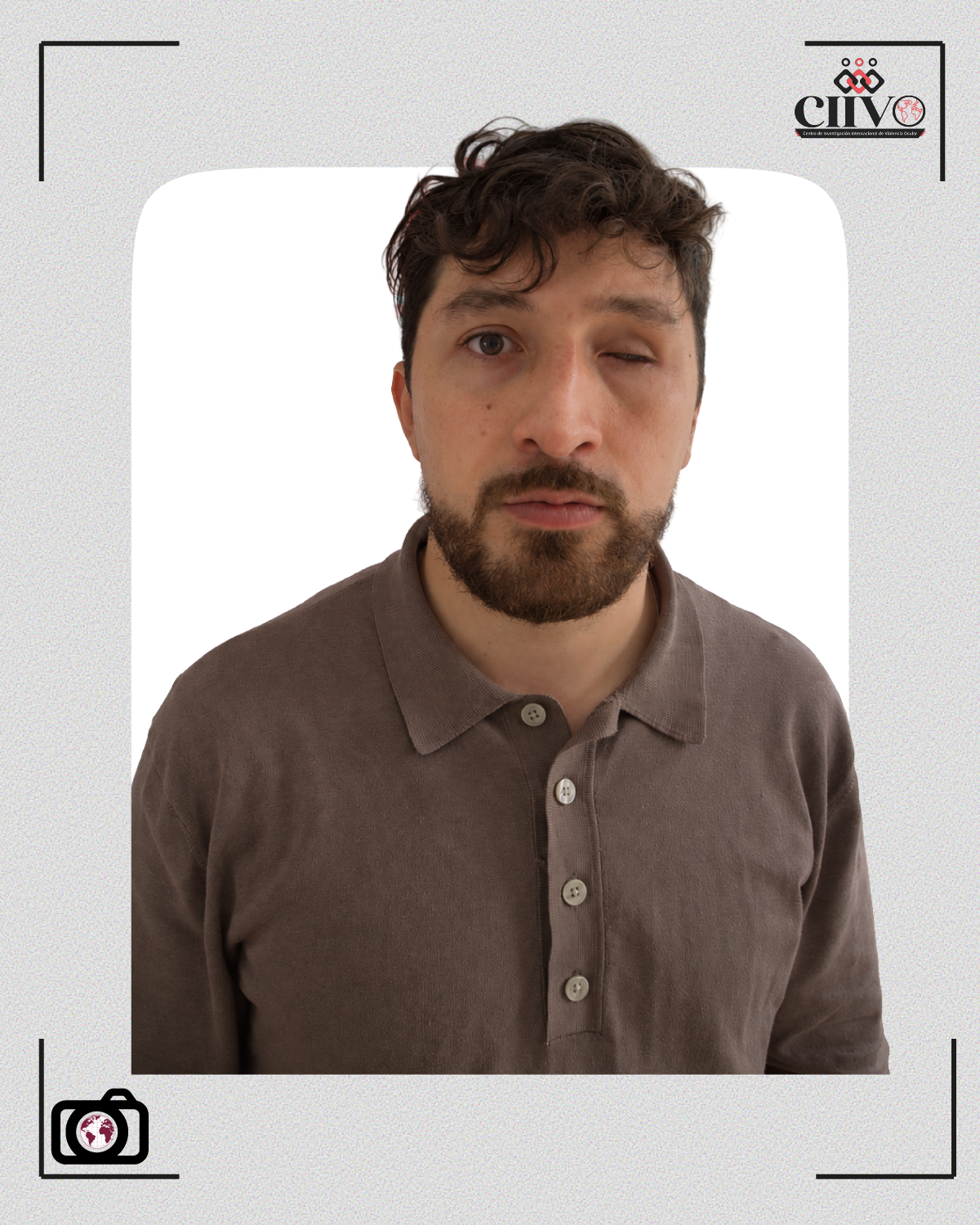
Survivor voices
Cristian Rodríguez
Colombia
Cristian Rodríguez suffered a severe eye rupture in a stun grenade attack in 2019. He lost his left eye and began using a prosthesis. The injury changed his social and personal relationships as well as his plans for work. He secured an administrative judgment against the state, although the criminal case has made no progress. For Cristian, reparation extends beyond court decisions. Through groups such as MOCAO, survivors preserve their accounts, organize and engage in political work to seek recognition and build a shared response to the violence.
Watch testimony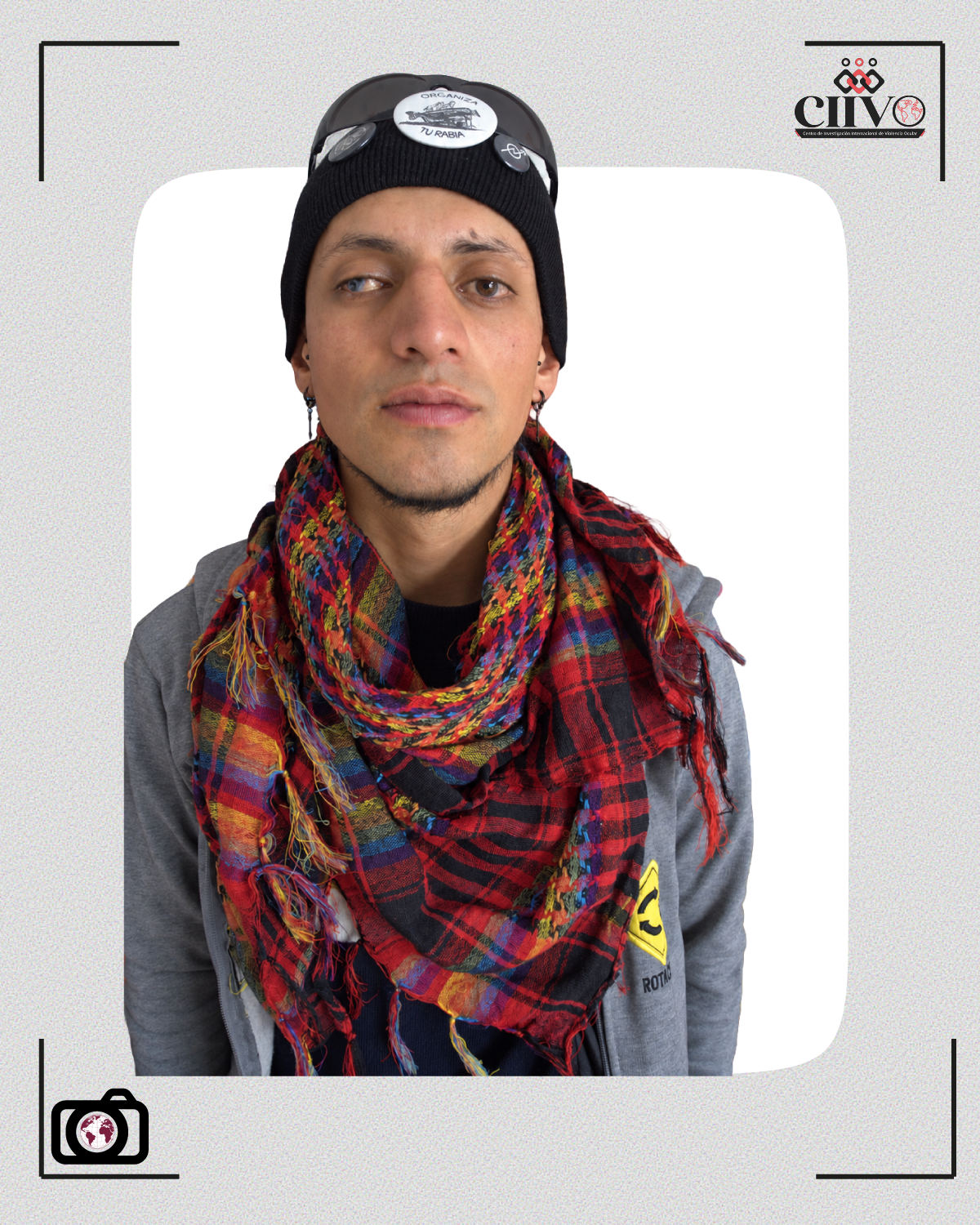
Survivor voices
Cristian Medina
Colombia
Cristian Medina, known as “Topo,” was injured during Colombia’s 2021 national strike. He says he lost his sight because he did not receive medical attention and was subsequently excluded from the health care system. Already estranged from his family, he became more isolated after the attack, although community networks offered support. He has faced rejection when seeking work and condescending treatment that undermines his independence. He says the justice system has abandoned his case and feels there can be no adequate reparation for what he experienced. His account highlights how communities sustain survivors when the state fails to respond.
Watch testimony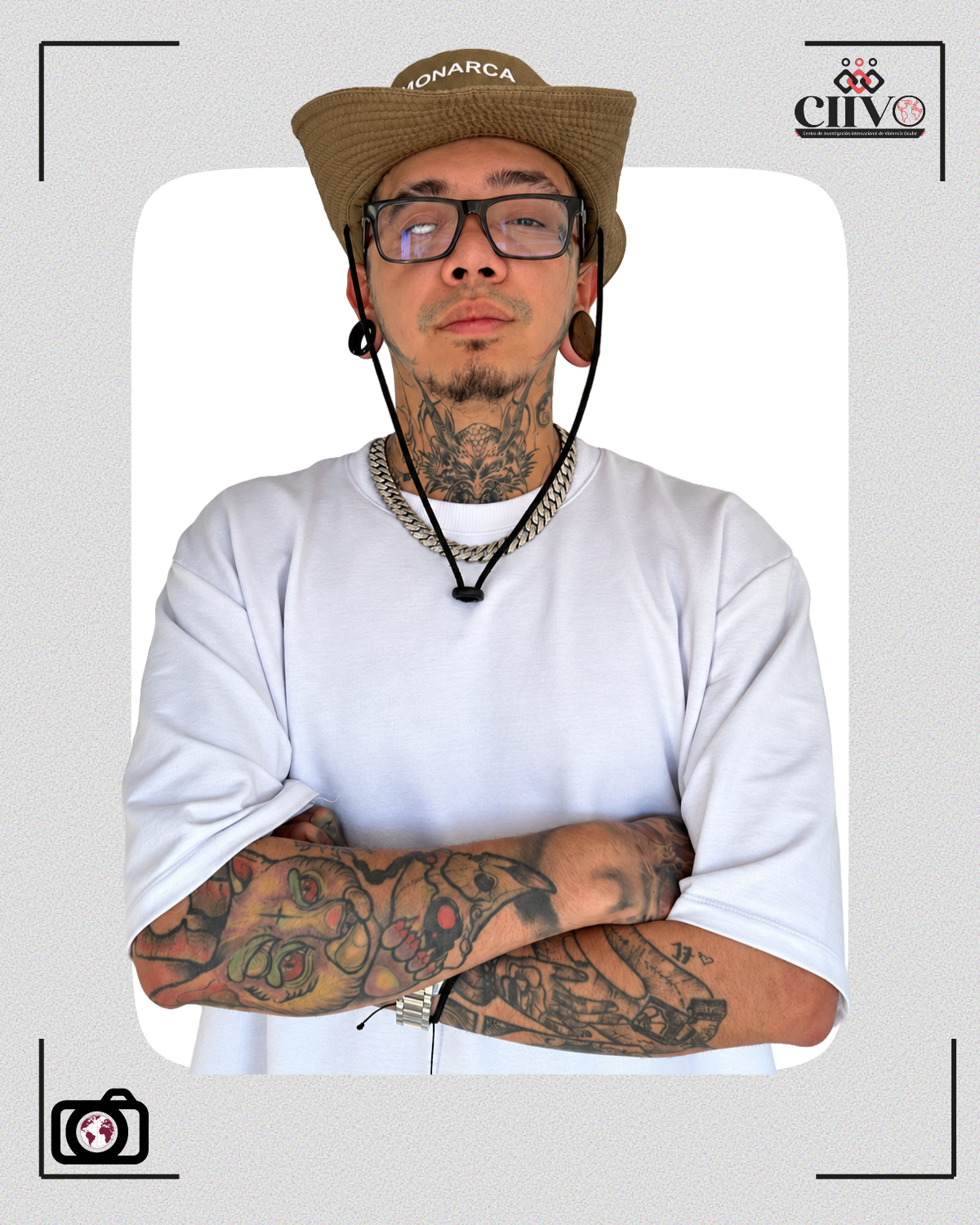
Survivor voices
Daniel Jaimes
Colombia
Daniel Jaimes is a professional tattoo artist. On May 1, 2021, a gas grenade struck him, causing multiple facial fractures and the loss of his right eye. With his family’s support, he adjusted to the injury and relearned his trade. He also faced discrimination in his social and working life. He recounts harassment and criminalization while seeking justice. He has spent more than twenty million on his recovery, a measure of the financial burden of the attack. His experience led him to turn pain into resistance and call for a ban on these weapons.
Watch testimony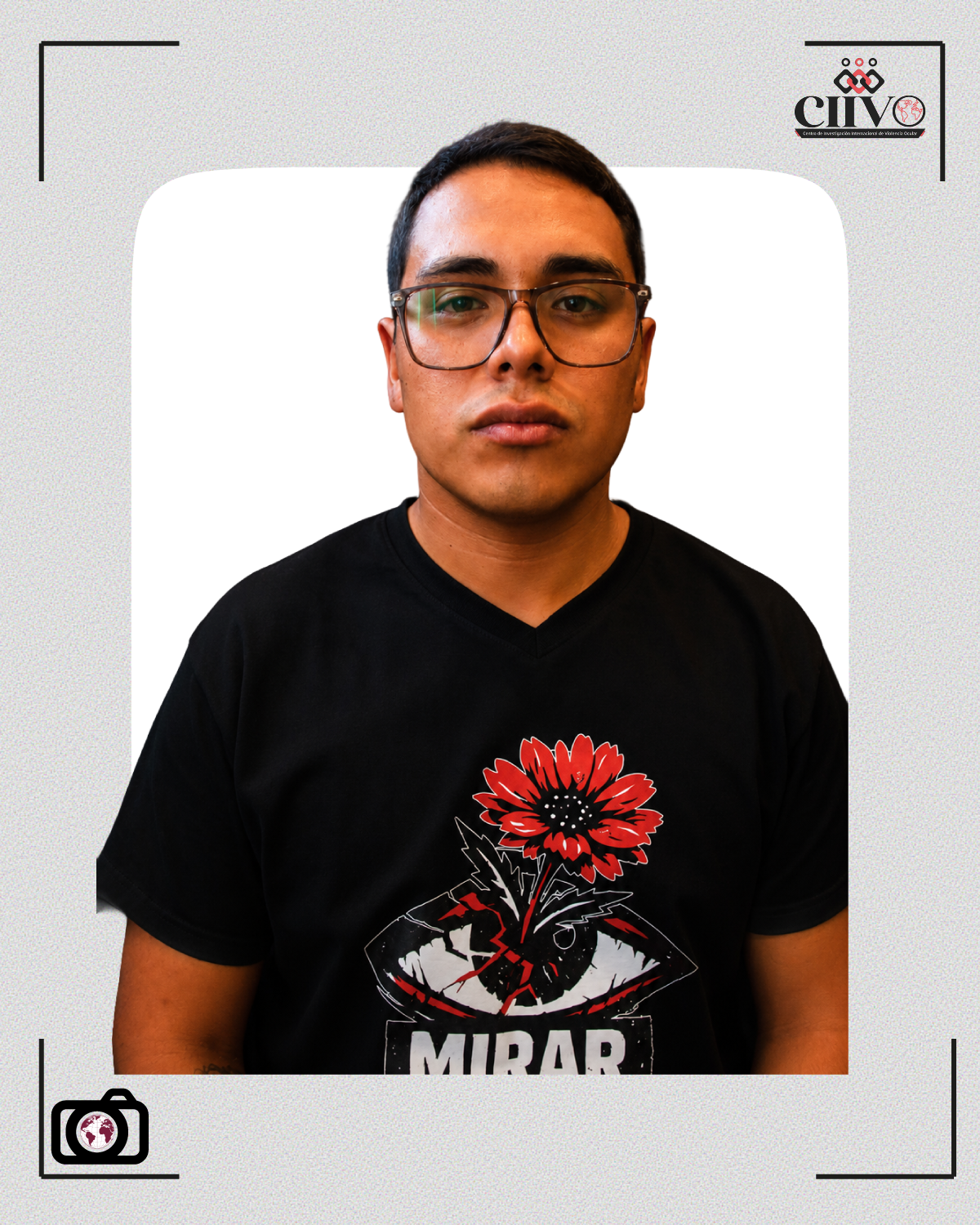
Survivor voices
Gustavo Quintero
Chile
Gustavo Quintero is a young Chilean man who lost 90% of the sight in his right eye after being injured during the 2019 uprising. He faced loneliness and abandonment by his family as he dealt with the consequences. In rebuilding his life, he overcame addiction, became an artisanal fisherman and started a family of his own. They are now his main source of support. His case was closed without any finding of responsibility. For Gustavo, reparation begins with knowing the truth and seeing those responsible answer for their actions. His testimony calls for justice beyond financial compensation.
Watch testimony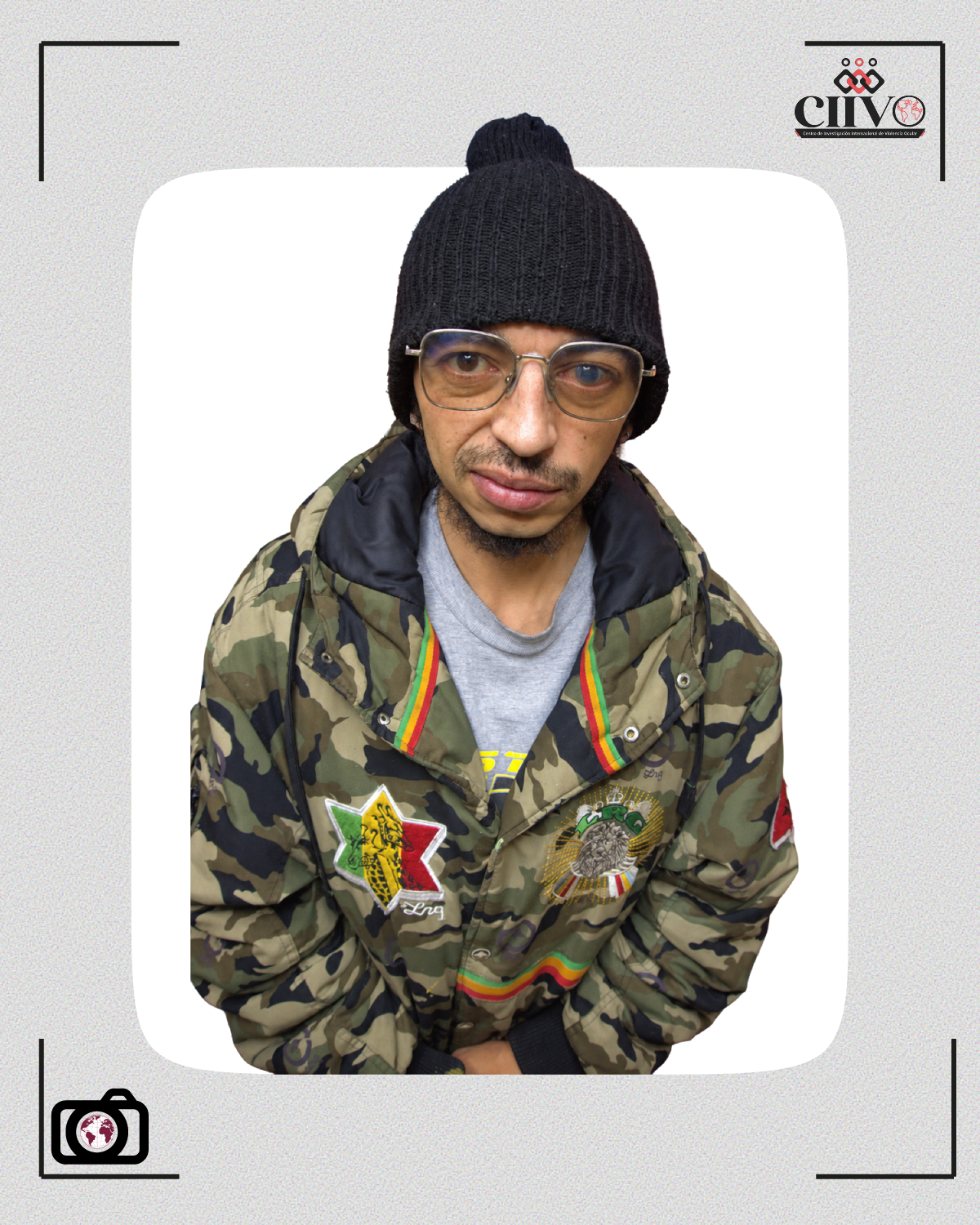
Survivor voices
Johan Suárez
Colombia
Johan Suárez studies environmental sanitation. In 2019, an ESMAD officer shot him during a protest against corruption, causing him to lose sight in his left eye. The attack disrupted his employment, and its physical, emotional and financial effects continue to shape his daily life. With little progress in his case and no institutional support, he has relied mainly on his family. His testimony describes what it means to live with sight loss without state support and with lasting harm for which he has yet to receive effective redress.
Watch testimony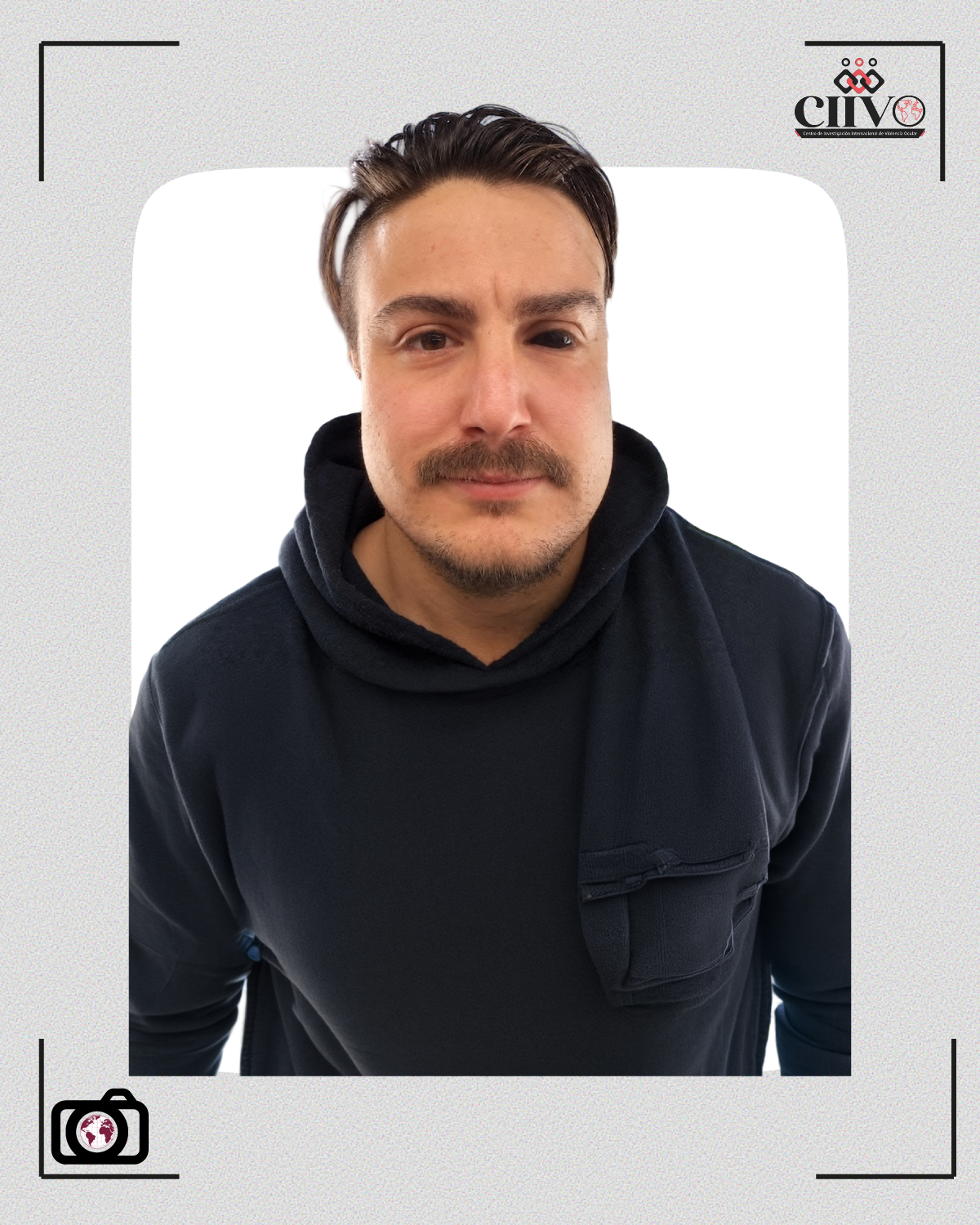
Survivor voices
Rodrigo Langarini
Chile
Rodrigo Langarini lost his right eye during Chile’s social uprising when a tear gas canister fired directly at him by the Carabineros struck him. The physical and emotional consequences, along with changes at work, reshaped his daily life. He describes his deep disappointment at the lack of accountability and institutional response. His testimony addresses the obstacles to justice and the abandonment victims experience during recovery. As he rebuilds his life, he continues to preserve the memory of what happened, speak out and stand alongside other survivors in their collective efforts.
Watch testimony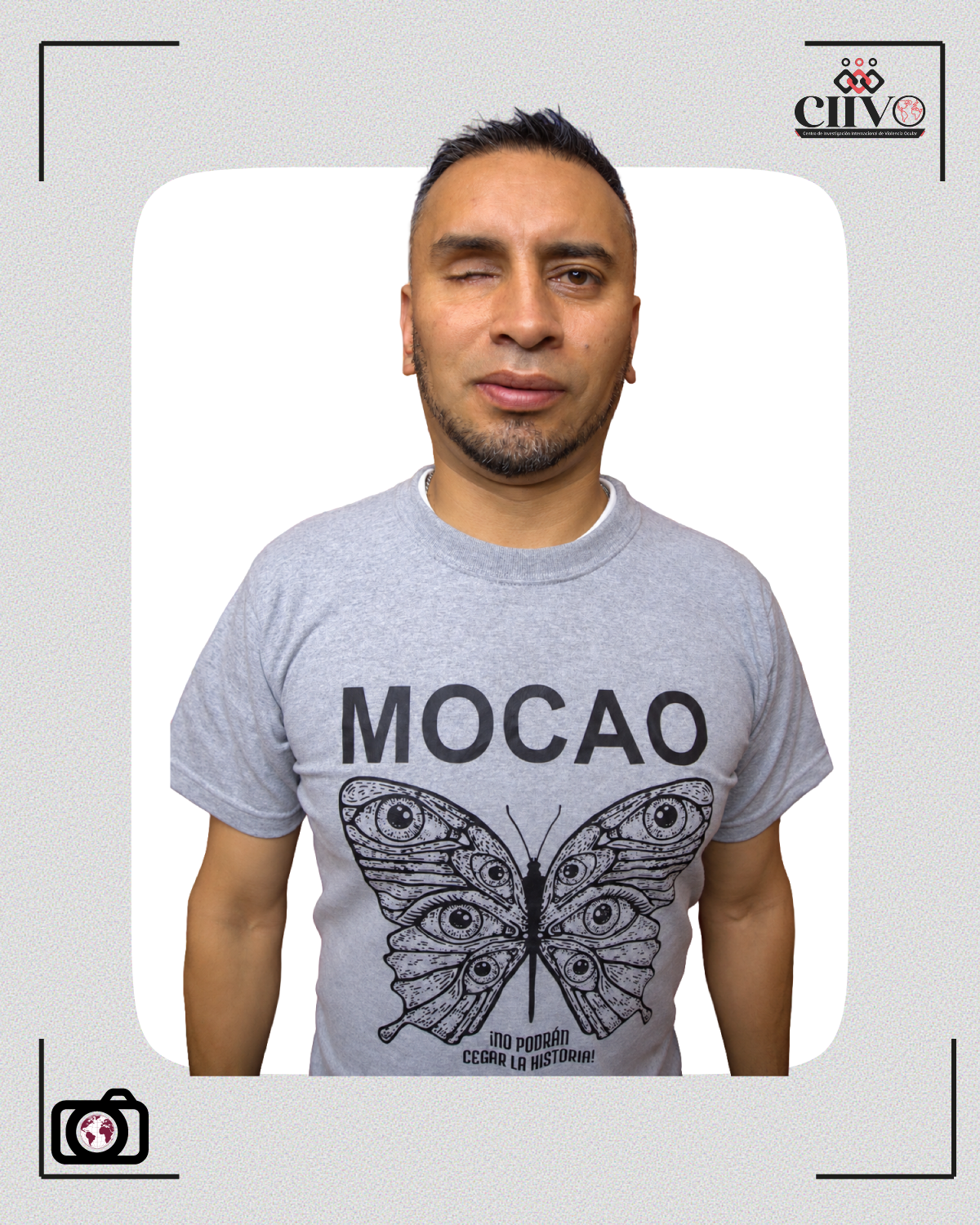
Survivor voices
Miguel Leal
Colombia
Miguel Leal survived eye violence in Usme. During Colombia’s 2021 uprising, he lost his right eye when an ESMAD tear gas canister struck him directly. He stopped playing sports, began moving around more cautiously and experienced changes in his self-esteem and relationships. After a period without work, his options were limited to jobs that would not place him at further risk. He faces ongoing costs for prostheses, protective glasses, eye drops and medical checkups. Despite his efforts with the prosecutor’s office, his case has stalled. He calls for comprehensive reparation and for the officer responsible to be identified.
Watch testimony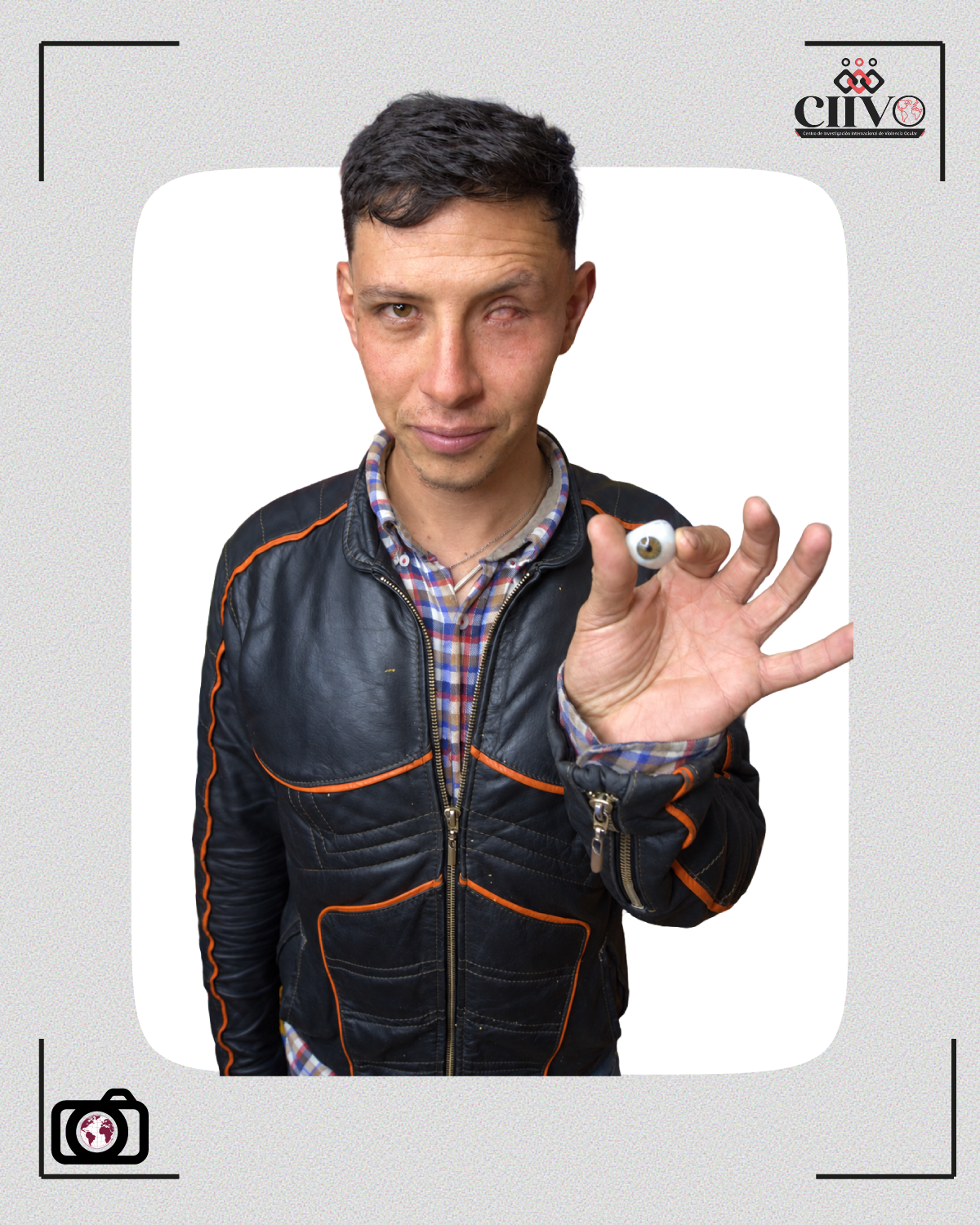
Survivor voices
Narem Rodríguez
Colombia
Narem Rodríguez was working as a private investigator when a stun grenade struck one of his eyes. He was passing through the area on his way home after a long working day when the attack occurred. He attributes it to ESMAD. In his interview, he describes his recovery and reflects on the effects of eye violence. In his view, no amount of compensation can fully repair the harm. His testimony explores the limits of financial redress and the importance of recognizing how profoundly this violence changes survivors’ lives.
Watch testimony
