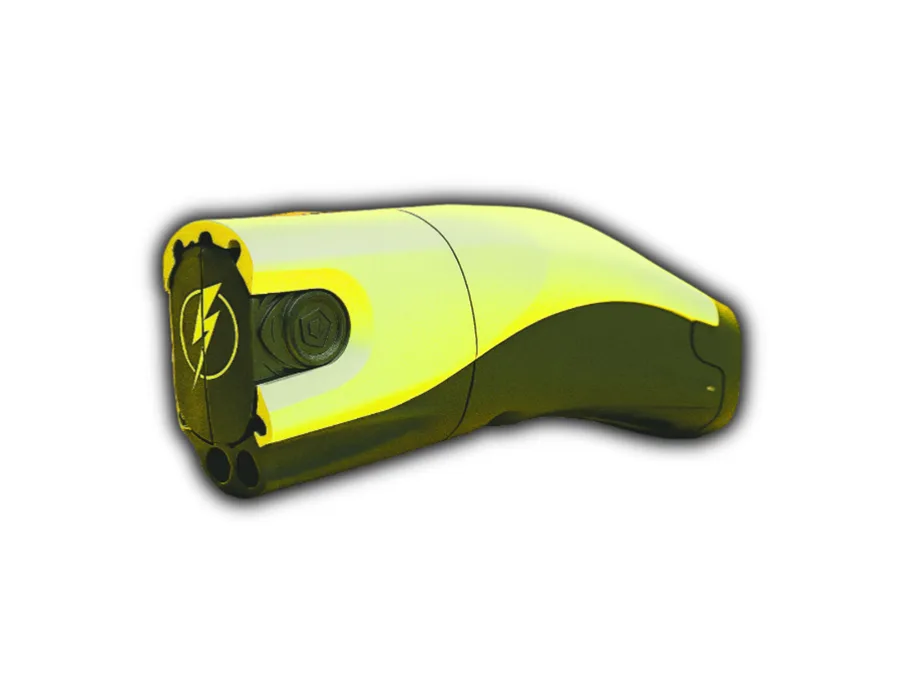
ELECTRICAL WEAPONS AND NEUROMUSCULAR INCAPACITATION TECHNOLOGIES
Electrical weapons operate through high-voltage, low-current discharges designed to temporarily disrupt the body’s muscular control. Their operation combines rapid electrical pulses, specific frequencies and microcontrollers that deliver energy with millimeter precision. Although they are marketed as tools of “controlled incapacitation,” their real parameters voltage, cycle duration and capacity to overload the neuromuscular system reveal a technology capable of generating intense and unexpected effects within seconds.
These weapons transform electricity into immediate physical neutralization, modulating impulses that affect mobility, breathing and bodily stability. Exploring this category makes it possible to understand how electronic engineering, pulse frequency and electrical transfer turn these tools into one of the most powerful devices in the contemporary arsenal of police control.
| Category | Technical specification |
|---|---|
| Operating system | Emit high-voltage, low-amperage discharges to temporarily disrupt the target’s neuromuscular activity. |
| Institutional devices |
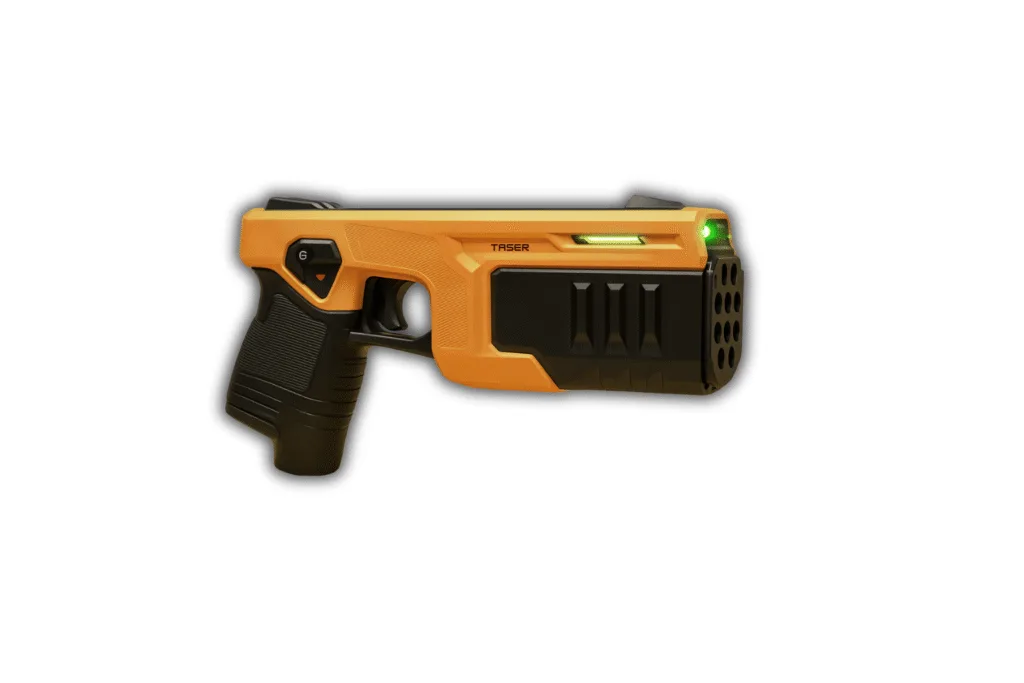
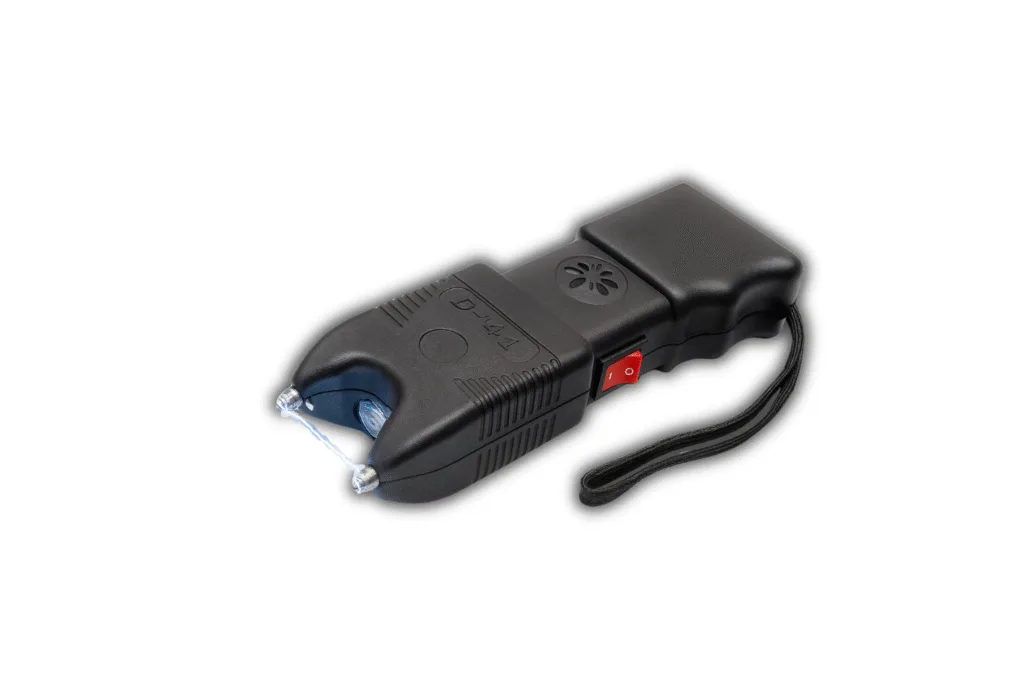
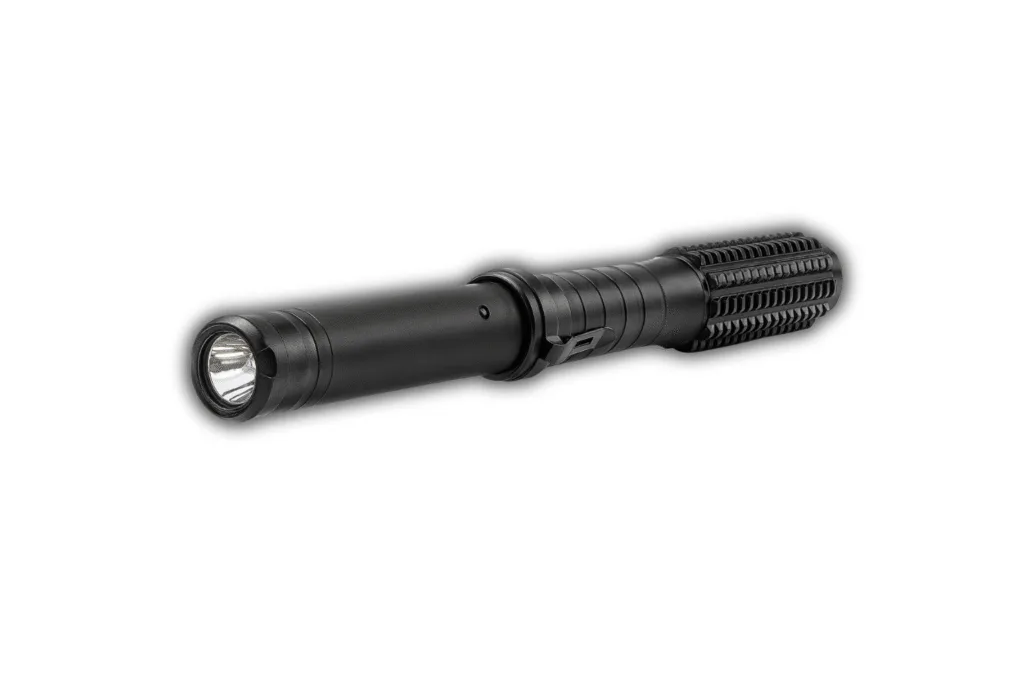
• TASER-type guns (at a distance or by contact). • Police electric batons. • Direct-contact control devices. |
| Voltage range | Between 50,000 and 100,000 volts depending on model and manufacturer; intensity designed to avoid permanent damage. |
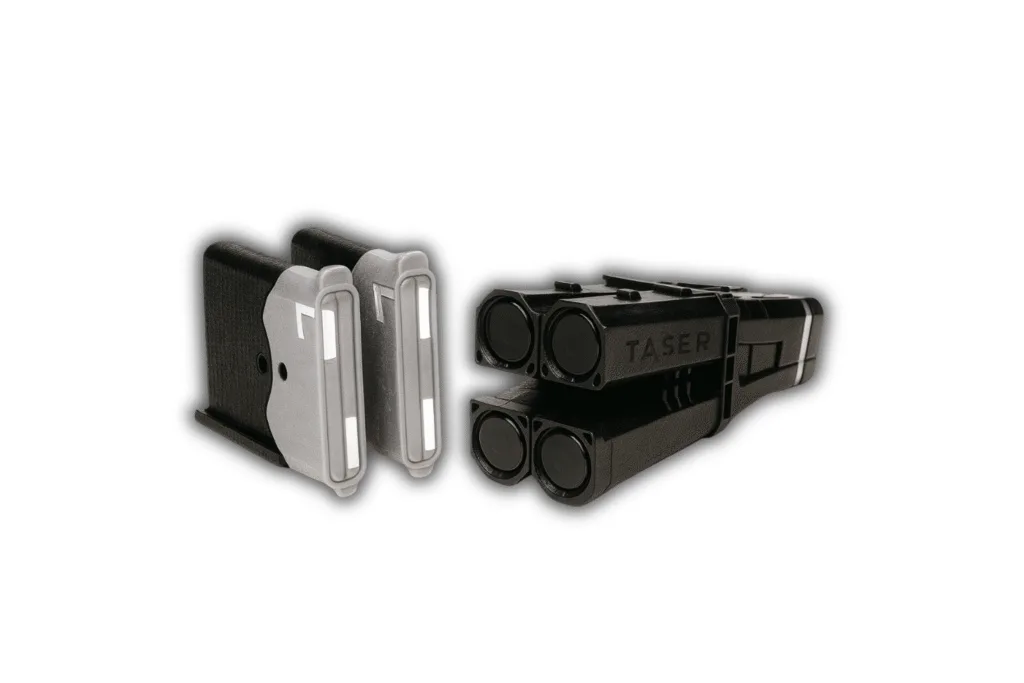
| Munition / cartridges |
• Some models use darts connected by a conductive wire. • Others generate discharges by direct contact without a projectile. |
| Weapon materials | Insulating polymers, heat-resistant compounds, internal copper wiring and encapsulated electronic modules. |
| Operational applications | Temporary neutralization of persons, control of active resistance and threat reduction under human rights standards. |
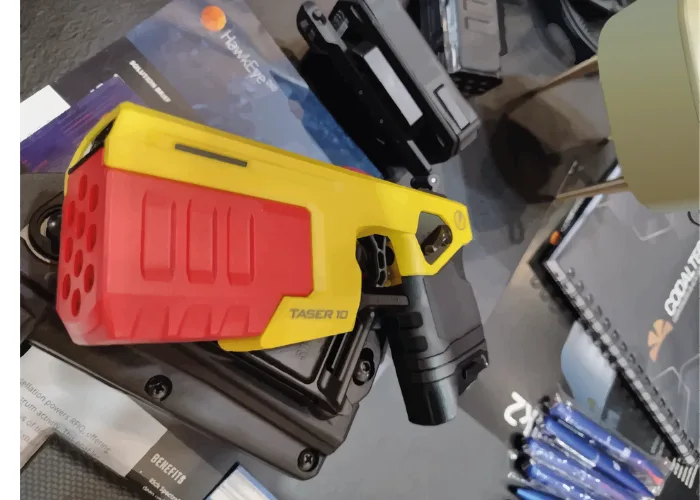
Design, Use and Omission Electrical weapons, such as electroshock guns (Tasers, Stun Guns) and immobilization devices operating by contact or by darts, are presented by manufacturers and security forces as non-lethal tools to neutralize people in risk situations. Their technical principle consists of transmitting high-voltage, low-intensity electrical pulses over short periods of time, with the aim of causing involuntary muscle contractions, neuromuscular disorientation and temporary immobilization. However, when the actual use of these technologies is analyzed in social, prison and police contexts, it becomes evident that their lethality depends not only on the voltage, but on the body that receives the discharge, the conditions of use and the intent of whoever fires. From the standpoint of technical design, electrical weapons such as the Taser X2 or the Taser 7 fire darts with electrodes connected to wires that transmit a current of between 50,000 and 100,000 volts at initial peaks, and an average of 2.1 milliamperes during 5-second cycles.
This current passes through the muscle tissues and causes neuromotor collapse. In theory, its design seeks to avoid permanent damage; however, forensic studies have shown that electrical discharges can cause arrhythmias, respiratory spasms, ventricular fibrillation and cardiac arrest, especially in people with preexisting medical conditions, under the influence of drugs, dehydration, extreme stress or undiagnosed cardiovascular problems. On the operational level, electrical weapons have been used in a variety of contexts that far exceed their legitimate use. In protests, cases have been documented of use against peaceful demonstrators, journalists and persons already subdued. In prisons, police stations and psychiatric centers, their use has been technically unnecessary and clinically abusive, employed as punishment, a method of subjugation or a response to passive resistance. In addition, cases have been reported of multiple application (several consecutive cycles), use in sensitive areas such as the neck, genitals or head, and even prolonged activation for more than 10 seconds, despite the manufacturer’s recommendations. The repeated use of electrical weapons can cause kidney failure, respiratory collapse and neurological damage, even when there are no externally visible injuries.
Institutional omission regarding the use of these weapons is systematic. Although some countries have incorporated protocols for the use of Tasers and similar devices, in most contexts there are no regulations on the maximum number of discharges permitted, cumulative duration, prohibited areas of the body or the obligation to provide immediate medical assistance. Nor is prior medical evaluation required of the officers who carry them, nor training in first aid or resuscitation. This negligence has facilitated the use of these weapons as instruments of electrical torture, particularly against populations in detention, migration or confinement. The UN Committee against Torture has warned on multiple occasions about the excessive and cruel use of these weapons, noting their capacity to inflict severe pain without leaving easily traceable evidence. Here the principle of false less-lethality is starkly expressed: electrical weapons do not fire conventional projectiles or cause bleeding, but their capacity to disrupt the body’s vital functions, generate psychological trauma and trigger sudden death makes them high-risk weapons.
Because in many cases they leave no external marks, their use is justified as “less harmful,” when in reality it operates as a form of technological punishment clean, efficient and traceless, which exceeds the legal and ethical framework of the proportional use of force. In countries such as Colombia, Mexico, Brazil, Egypt, India, the United States, the United Kingdom and South Africa, deaths have been documented following the use of electrical weapons in police or prison procedures, often followed by institutional cover-up, forensic manipulation or denial of responsibility. In some cases, the narrative of “death from natural causes” or “prior collapse” was used, when the evidence pointed to the electrical discharge as the main trigger. Ultimately, electrical weapons are high-risk technologies that make it possible to inflict extreme and immediate pain without getting one’s hands dirty, facilitating a silent and technically validated repression. Their use should be restricted, externally monitored, and prohibited in protest or detention scenarios where there is no direct and lethal threat. Mandatory medical records of each use must also be implemented, along with independent audits, and the possibility of digital traceability for each device, as is required for other firearms. Because the body also cries out when it does not bleed, and a discharge can hurt more than a bullet.