CHEMICAL AND BIOCHEMICAL INCAPACITATING AGENTS
Chemical Incapacitating Agents (CS, OC, PAVA)
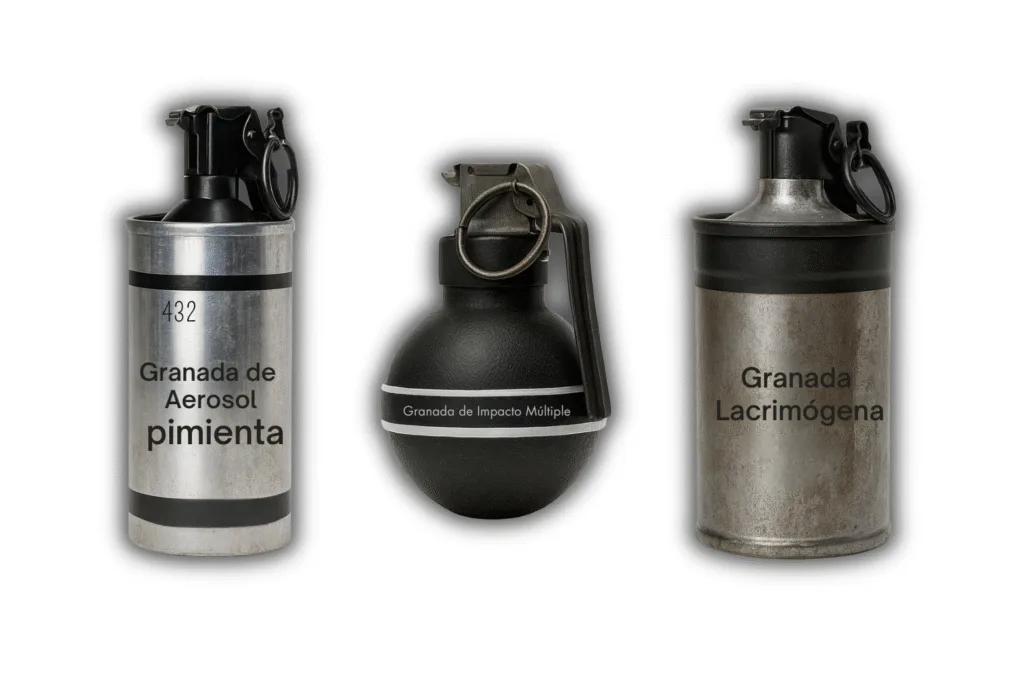
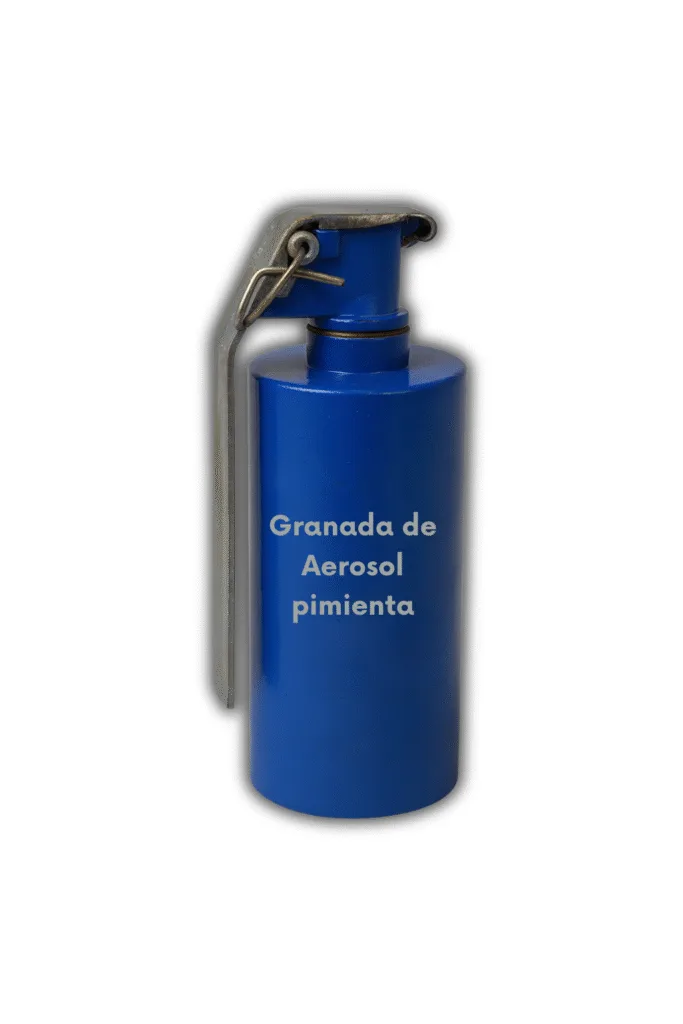
Chemical incapacitating agents use irritant compounds designed to trigger an immediate physiological response upon contact with the eyes, skin and respiratory tract. Technologies such as pressurized aerosols, chemical grenades and dispersion cartridges release the compound as a cloud or fine droplets, optimizing its reach and effectiveness.
Their mechanism is based on the activation of sensory receptors mainly TRPA1 and TRPV1 that trigger intense burning, tearing, coughing and temporary loss of orientation. Concentration, chemical purity and the dispersion method determine the duration of action and the intensity of the effects.
Exploring this category provides insight into how chemical engineering, aerosol dynamics and active formulations define the real-world performance of tear agents in operational scenarios.
Biochemical Incapacitating Agents (Selective Formulations)
Biochemical incapacitating agents employ advanced compounds capable of interacting selectively with neurosensory receptors, eliciting immediate physiological responses such as reflexive eyelid closure, brief respiratory spasms or intense disorientation. These formulations combine chemical components with active biomolecules, nanoparticles or peptides designed to maximize effect at reduced doses.
The technology is deployed via ultrafine aerosols, microcapsules or spray systems that ensure uniform distribution and rapid absorption through mucous membranes. Their behavior depends on the purity of the active ingredient, molecular stability and the concentration released into the environment.
Exploring this category provides insight into how applied biochemistry, molecular reactivity and advanced dispersion techniques shape this new generation of incapacitants in tactical operations.
| Category | Technical specification |
|---|---|
| Agent type | Chemical or biochemical agents designed to cause temporary effects on the sensory or physiological system. |
| Examples |
• Tear gas (CS) • Pepper spray (OC) • Capsaicinoid-based aerosols • Bioactive substances at the experimental stage |
| Ammunition used |
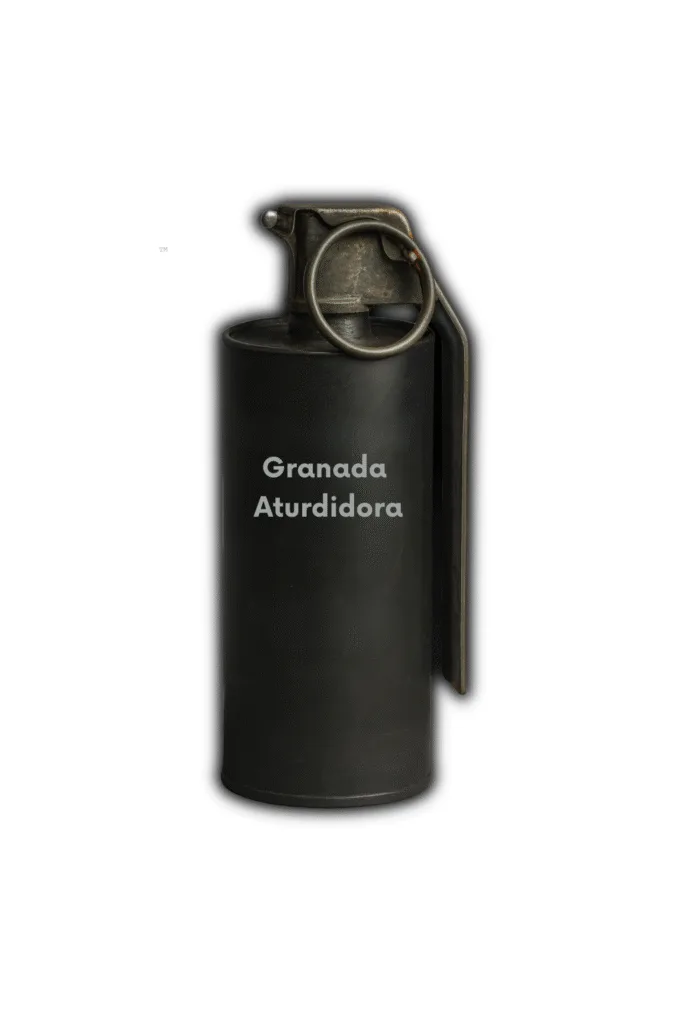
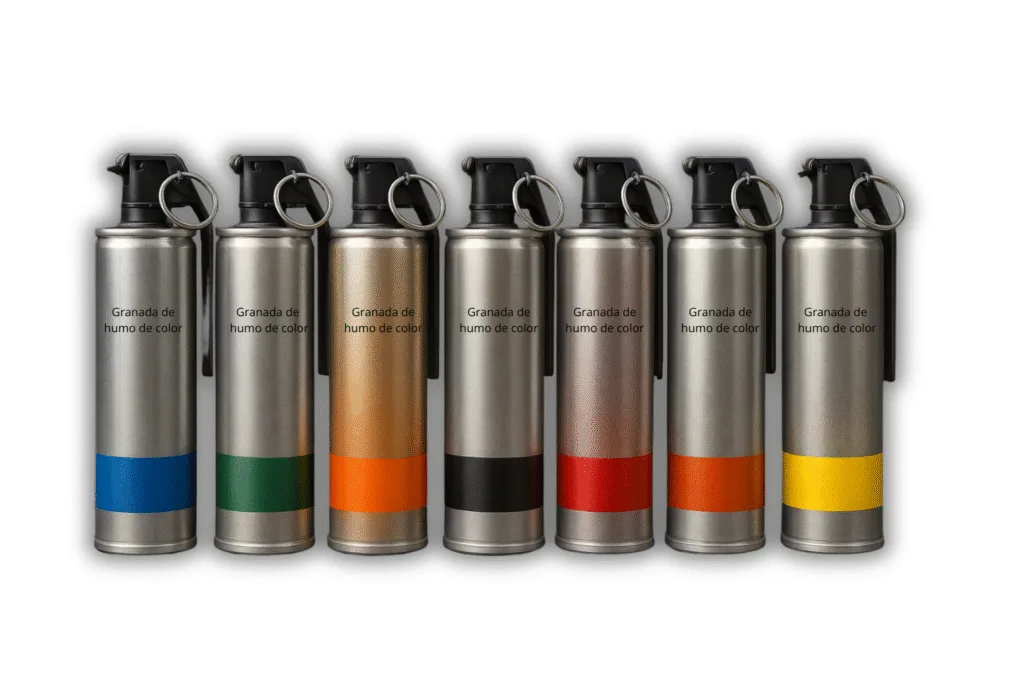
• Capsules that release irritant gases, aerosols or liquids. • Formats adapted for launchers or grenades. |
| Weapon material | Stainless steel or aluminum; design resistant to corrosive chemical agents. |
| Projectile energy | In pneumatic launchers: between 5–15 J, depending on the system design. |
| Operational applications | Riot control, evacuation, temporary incapacitation of targets in enclosed or open environments. |
Design, Use and Omission Chemical and biochemical weapons, within the repertoire of technologies labeled “less lethal,” constitute a particularly alarming category because of their capacity to directly affect the human body through inhalation, dermal contact or systemic absorption. Although international treaties such as the Chemical Weapons Convention (CWC) prohibit their use in armed conflict, many of these substances are used routinely by police forces in crowd-control contexts under the euphemism of “riot-control agents.” Tear gas, irritant agents, incapacitating compounds and emerging technologies with biochemical effects are used to repress without firing, to punish without bloodshed. But their real effects show that they are far from harmless: they cause pain, disrupt biology, and gravely violate the most basic human rights. By technical design, these devices are made to disperse chemical substances such as chlorobenzylidene malononitrile (CS), chloroacetophenone (CN), oleoresin capsicum (OC or pepper spray), mixed irritant compounds and even modified biological agents— through aerosols, grenades, launched cartridges, sprayers or handheld dispensers. Although marketed as “non-lethal,” their toxicity depends on extremely variable factors: the concentration of the agent, the duration of exposure, environmental conditions and the characteristics of the exposed person.
In open spaces they may disperse rapidly, but in enclosed spaces, tunnels, subway stations, vehicles or dwellings, they can reach lethal concentrations or cause asphyxiation, chemical burns, severe poisoning, miscarriages and neurological damage. Some medical studies have reported cases of pulmonary edema, acute respiratory distress, seizures, and even deaths from prolonged inhalation, especially among people with asthma, the elderly or minors. In terms of operational use, chemical and biochemical weapons have been used systematically and abusively in contexts of social protest in countries such as Chile, Colombia, Egypt, Venezuela, Sudan, Iran, France and the United States. Cases have been documented in which police forces fired gas grenades directly at the body or face of demonstrators, causing serious injuries or even death. At other times, chemicals have been used to contaminate dwellings or shelters, creating a toxic atmosphere that forces displacement. In prisons, barracks and police stations, pepper spray has been used as a tool of torture and collective punishment, applied to people who were already handcuffed or restrained. In addition, experimental chemical mixtures with intensified effects have been reported, the composition of which is not even publicly regulated or documented. These acts reaffirm the punitive, rather than merely deterrent, character of repressive chemical use.
Institutional omission in this area is especially troubling. Despite the recommendations of international bodies, most States lack clear protocols on the maximum concentration of chemical agents, the amount permitted per operation, the obligation to provide immediate medical care, or the traceability of the munitions used. Many of these products are imported without health regulation, purchased from private companies that hide behind commercial confidentiality to avoid disclosing their composition. Nor is there, in most countries, an official registry of people injured by chemical exposure or any medium- or long-term toxicological monitoring system. This structural negligence, which conceals the real effects behind the narrative of legitimate control, constitutes a form of institutional violence by omission and a cover-up of harmful technologies. This panorama reinforces the concept of false less-lethality: gases and chemical agents do not shoot, do not cut, do not explode, but they can kill silently, sicken progressively and leave lasting sequelae. Their use allows the State to exercise a deeply invasive violence on bodies without facing the social outcry that the use of lethal munitions would provoke. The toxicity spreads, penetrates the lungs, burns the mucous membranes and leaves an invisible trace in the tissues, in the nerves and in the memory of those who suffer it. The effects are not always immediate, which makes denunciation and redress more difficult.
The use of these substances represents a kind of environmental, molecular repression, aimed at the body from within. In the case of emerging biochemical agents such as hormonal compounds, neuromodulators, synthetic pheromones or inhibitors under investigation the risk is even greater. Although many have not yet been officially declared weapons, there are military and police projects that seek to develop control technologies through chemical or endocrine alterations, which raises grave ethical questions about the future of contactless repression and the manipulation of the body as a battlefield. In conclusion, chemical and biochemical weapons are not merely dispersion tools: they are technologies of punishment, control and silencing that use the human body as a biological target for intervention. Their use without rigorous regulation constitutes a direct threat to life, health and dignity. For this reason, it is urgent to prohibit their use in enclosed spaces, limit their concentration, guarantee immediate medical care, register every use and provide accountability before human rights bodies. Because when air becomes a weapon, breathing is no longer a right, but a threat.