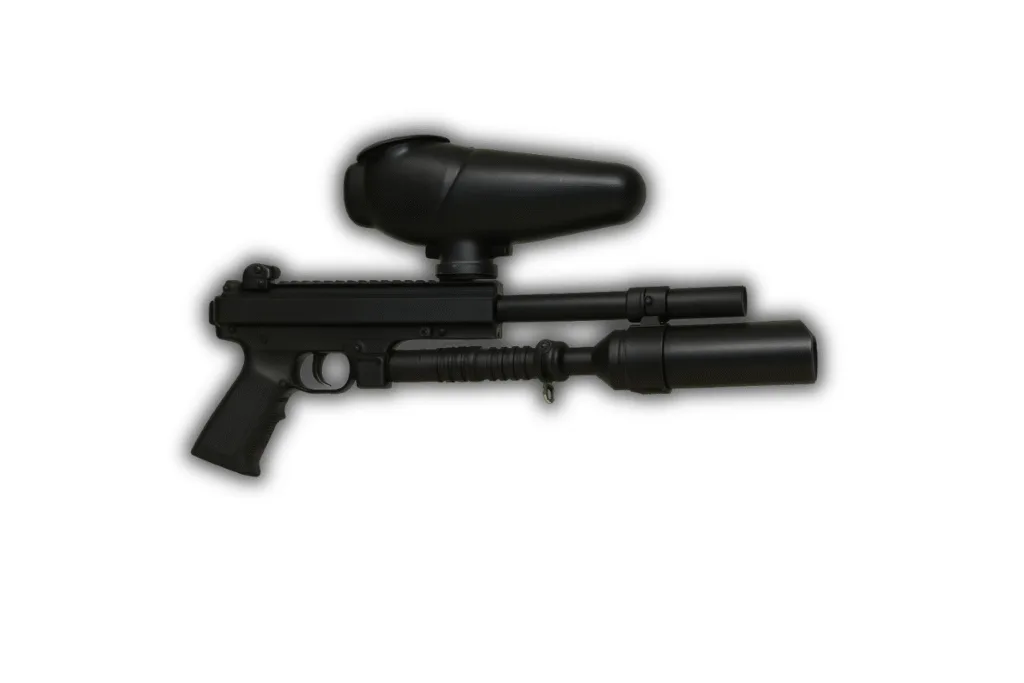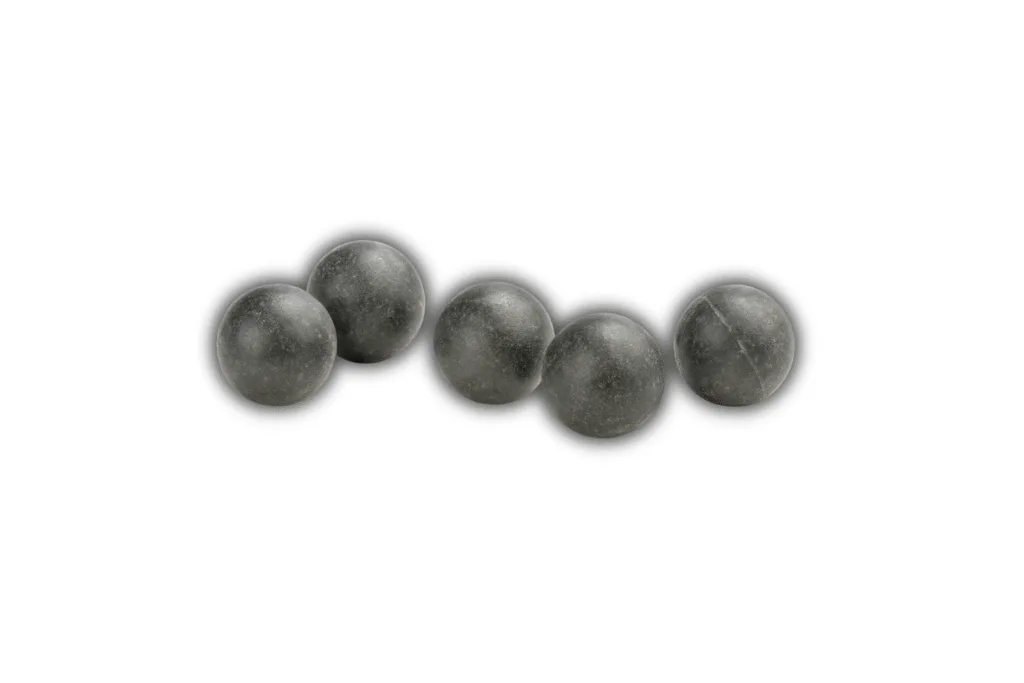
KINETIC IMPACT LAUNCHERS POWERED BY PNEUMATIC PRESSURE
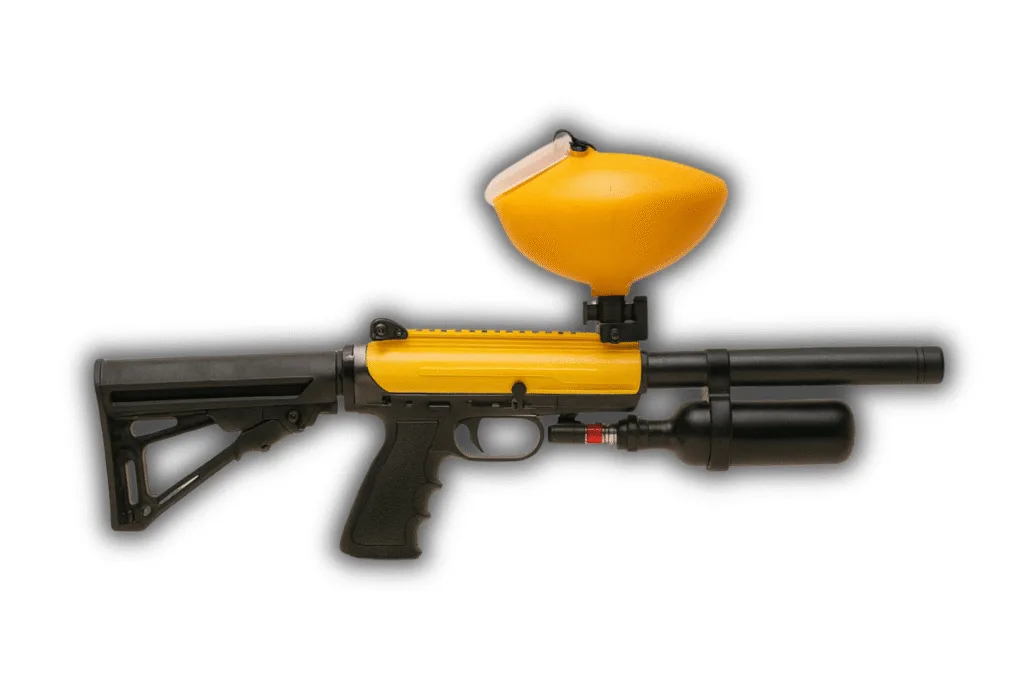
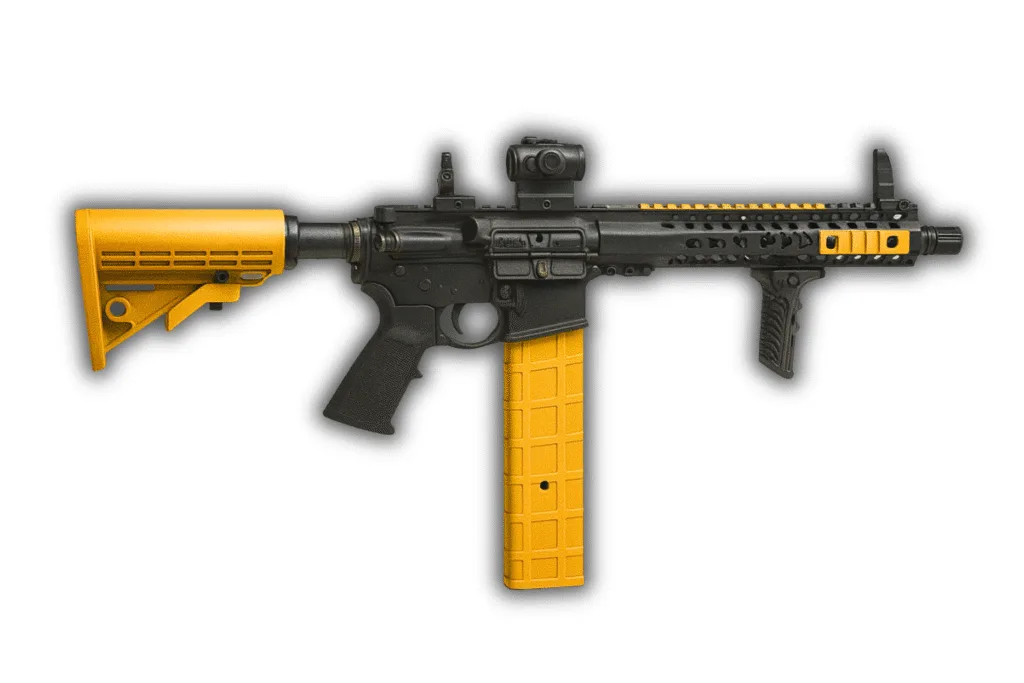
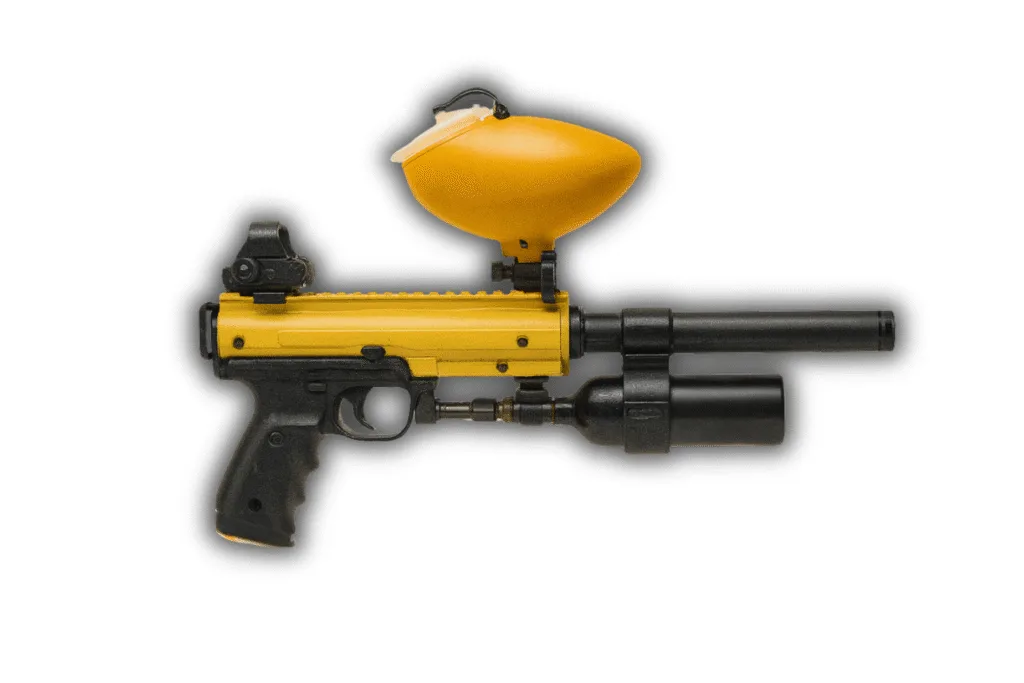
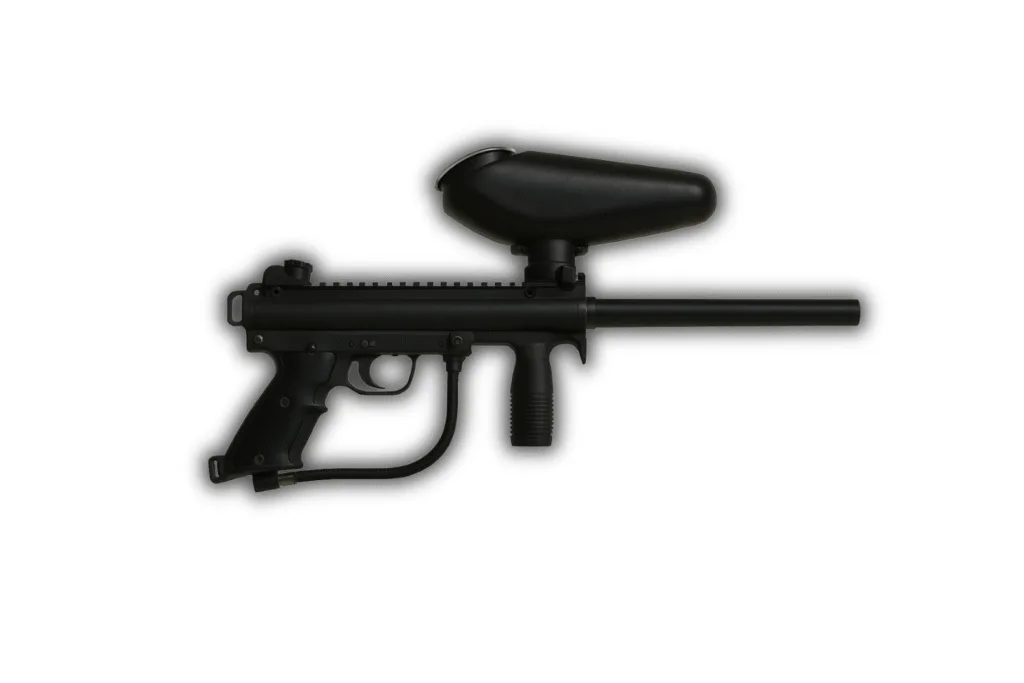
Pneumatic kinetic impact systems operate through the controlled release of compressed gas, allowing munitions to be projected at stable velocities with carefully modulated energy. Unlike powder-based systems, this technology offers greater uniformity in muzzle velocity, improved accuracy and more predictable ballistic behavior.
Its architecture—made up of pressure regulators, release chambers and polymer projectiles or irritant capsules—converts pneumatic energy into a mechanism for incapacitation at a distance.
This equipment is used by police units for short- and medium-range impacts, where the stability of the system makes it possible to adjust power according to operational dynamics.
Exploring this category helps to understand how pneumatic engineering, pressure variation and projectile mass determine the energy transferred and the real-world behavior of these weapons in tactical control scenarios.
| Category | Technical specification |
|---|---|
| Operating system | Compressed air, CO₂ or HPA; high-pressure pneumatic mechanisms for launching non-lethal projectiles. |
| Institutional calibers |
• .68 inches (standard for kinetic impact projectiles). • .50 inches (compact equipment for marking and identification). |
| Munitions used by law enforcement |
• Rubber or rigid foam projectiles (kinetic impact). • Marking capsules to identify targets. • Capsules with chemical irritant agents (OC, PAVA). |
| Weapon materials | Reinforced polymers for operational durability; barrels and internal mechanisms in aluminum or metal alloys. |
| Projectile muzzle energy (institutional use) | Typical range between 40–60 J, depending on manufacturer and configuration for police/military operations. |
| Operational applications | Crowd control, dispersal, marking and temporary incapacitation under international human rights standards. |
Design, Use and Omission Pneumatic weapons—such as compressed-air launchers, hard-projectile markers (PepperBall®-type), CO₂ systems for firing hardened paintballs, encapsulated rubber bullets or projectiles filled with chemical agents—have been promoted as “controlled precision” devices within the repertoire of less-lethal weapons used by security forces. Yet, beneath the appearance of technical modernization, these weapons reproduce patterns of institutional violence that not only endanger the physical integrity of demonstrators, but also expose the failure of public policy to guarantee a proportionate and regulated use of force. From a design standpoint, pneumatic weapons operate by compressing gases (air, nitrogen, CO₂), allowing solid, semi-rigid or brittle projectiles to be fired at high velocity. Although the technical specifications advertise “moderate” velocities (generally between 80 and 120 m/s), the combination of velocity, mass and rigidity of the projectile can translate into impacts with energies exceeding 60 or even 100 joules.
Under ideal testing conditions, these devices might appear safe; however, the human body is not an ideal target. Real-world firing distances, irregular trajectories, and the possibility of ricochets or impacts to vulnerable areas such as the face, eyes, neck or abdomen turn these projectiles into potentially incapacitating or lethal weapons. The problem intensifies in operational use, where the supposed precision control becomes ineffective amid the chaos of social mobilizations. In countries such as the United States, Colombia, Chile, France, Israel or Venezuela, pneumatic weapons have been used to fire indiscriminately into crowds, striking journalists, bystanders and peaceful demonstrators. Many projectiles launched by these systems—such as pepper balls or hardened paintballs—have caused cranial trauma, eye loss, rib fractures and severe internal injuries. Cases have been documented in which the firing of a single pneumatic projectile caused finger amputations, permanent vision loss or even traumatic brain injuries, especially when fired from less than 5 meters or in enclosed spaces, in violation of any standard of responsible use.
Compounding this reality is the systematic omission of clear standards and oversight mechanisms. In many contexts, there is not even a requirement to record the number of projectiles fired, nor to identify the officer operating the pneumatic weapon. Nor is there any subsequent medical follow-up for victims or external audits on the traceability of impacts. The few existing regulations—such as the minimum firing distance (generally recommended at 10 or 15 meters)—are frequently ignored without legal or administrative consequences. In countries such as Colombia, India or South Africa, the deployment of these devices has occurred without any public protocol, without medical training for operational personnel and with absolute disregard for the real risks to human health. This institutional omission reinforces a model of functional impunity, in which the use of pneumatic weapons is shielded by its supposed non-lethal character to avoid any responsibility for its devastating effects. Here the concept of false less-lethality is clearly embodied: pneumatic weapons are presented as “intermediate” technologies between words and bullets, but in practice they function as mechanisms of physical punishment that can leave permanent after-effects without generating the same social or legal outcry as firearms.
This “lethal intermittency,” in which some victims lose an eye while others “only” suffer contusions, allows the State to render invisible the real effects of repression, while legitimizing the use of force under narratives of modernization or proportionality. However, as the IACHR, the UN and various medical-legal organizations have pointed out, these weapons can be just as destructive as conventional weapons; they simply operate from an ambiguous threshold of legality, technique and morality. In conclusion, pneumatic weapons are neither neutral nor harmless. They are technologies designed to inflict physical harm under a supposed logic of control, but which in reality open a field of legal and medical ambiguity. Their deficient regulation, their abusive use and the deliberate omission of States in overseeing their effects reinforce the need to reassess their role in public order. Far from being tools of containment, they have become symbols of covert repression, capable of leaving bodies marked and rights violated without the system assuming the responsibilities that fall to it.